
Introduction
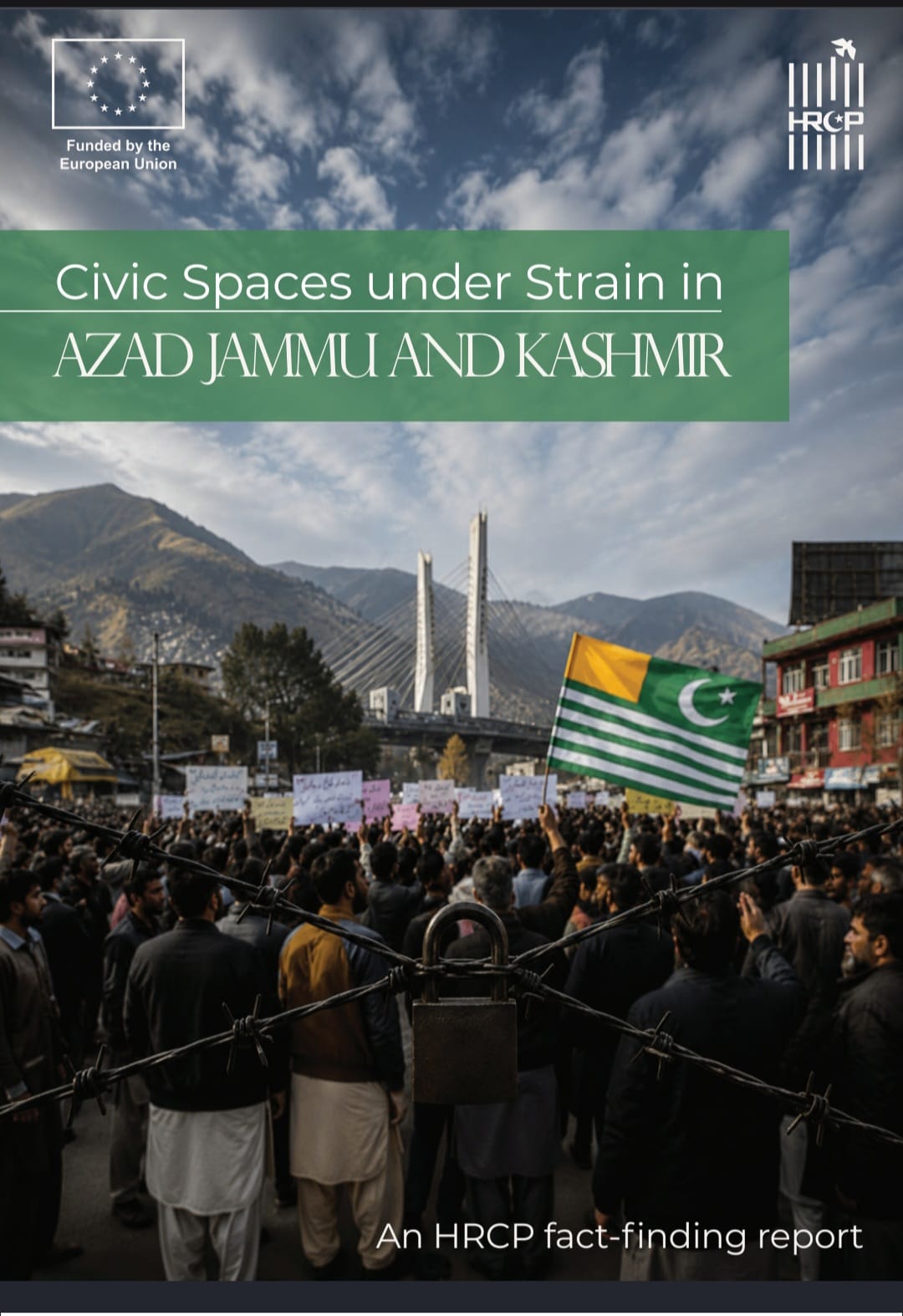
Azad Jammu and Kashmir (AJK), a semi-autonomous region under Pakistan’s administration, entered 2026 amid a growing crisis of governance, political representation and public trust. Longstanding economic grievances had increasingly developed into broader demands for accountability, constitutional reform and greater political representation.
The Jammu Kashmir Joint Awami Action Committee (JAAC) emerged as the principal platform for these demands. Disputes over the implementation of the October 2025 agreement between the government and JAAC, as well as the status of the 12 seats reserved for refugees in the Legislative Assembly of AJK, became central to the political confrontation.
Negotiations between JAAC and the government continued intermittently during the first five months of 2026 but did not resolve the outstanding issues.
The failure of negotiations on 30 May 2026, the proscription of JAAC on 5 June, the subsequent crackdown on its leaders and workers, restrictions on movement and communications, and the unrest that followed coincided with a highly contested Legislative Assembly election. In the context of heightened political tensions, the Election Commission announced the election schedule on 5 June, initially setting 27 July as the polling date for all 45 seats of the Legislative Assembly. The schedule was subsequently amended, and polling was conducted in multiple phases owing to security concerns. While local government elections in AJK had previously been conducted in three phases, this was the first general election to be held through a phased process. Allegations of electoral malpractice, political boycotts, violence, arrests and disruptions further raised concerns regarding the exercise of fundamental rights and the credibility and inclusiveness of the electoral process.
Against this backdrop, the Human Rights Commission of Pakistan (HRCP) conducted a fact-finding and election observation mission from 8 to 10 August 2026, preceded by a stakeholder consultation in Islamabad on 31 July 2026. The mission travelled to Dhirkot, Haveli and Bagh and comprised HRCP co-chair Munizae Jahangir, HRCP Council members Farhatullah Babar, Nasir Zaidi and Sadia Bokhari, and an AJK-based journalist.
The mission examined the political and human rights situation, the authorities’ response to dissent, and the conduct of the elections. This report assesses the extent to which citizens were able to exercise their rights freely and meaningfully, and whether the political and electoral processes provided a credible avenue for addressing AJK’s longstanding concerns relating to representation, accountability, constitutional authority and democratic governance.
1 The AJK Legislative Assembly comprises 53 members. Of these, 45 are directly elected: 33 from constituencies within AJK and 12 from constituencies representing Kashmiri refugees residing in Pakistan. The remaining eight seats are reserved for specified categories. The 12 refugee seats are provided for under Art. 22 of the AJK Interim Constitution.
Background
The current political crisis in AJK developed against the backdrop of a series of public protests that began in 2023 over economic and governance concerns. Key demands included access to affordable essential commodities, including electricity and flour; reductions in the privileges and expenditure of political and administrative elites; and greater public control over local resources. In response to protests in 2024 and 2025, the AJK government requested the deployment of paramilitary forces, including the Rangers (despite holding negotiations intermittently with JAAC). Violent clashes between protesters and security forces resulted in at least 12 deaths, including among security personnel. Over time, the demands broadened to include accountability, political representation, governance reforms and changes to the distribution of political power.
JAAC, a civil society coalition comprising primarily traders, transporters, students, lawyers and political activists, emerged as the main platform for these demands. Following major mobilisations in May 2024, negotiations between JAAC and the AJK government resulted in an agreement in October 2025. The agreement included commitments to address 38 demands raised by JAAC within 90 days. Its implementation subsequently became a major source of disagreement. The government maintained that most of the commitments had been fulfilled or were under implementation, while JAAC disputed this position and continued to raise issues that it considered unresolved.
In February 2026, JAAC announced a long march towards Muzaffarabad, scheduled for 9 June. Despite the announcement, substantive negotiations did not begin until 30 May. Talks intensified during May but ultimately failed to produce a new agreement. JAAC subsequently announced that it would continue its protest, including through a strike and a long march towards Muzaffarabad. On 5 June 2026, the AJK government proscribed JAAC under the AJK Anti-Terrorism Act 2014. It also introduced a range of security and administrative measures, including restrictions on movement and tourism and the suspension of mobile internet services across the region. Tourists in AJK were advised to leave the region immediately, and prospective visitors were advised not to plan trips until further notice. The government cited public order and security concerns as the basis for these measures.
Methodology
HRCP monitored the political situation and reported human rights violations in AJK, particularly following the escalation of tensions between JAAC and the AJK government after 30 May 2026. The fact-finding mission drew on systematic monitoring of developments in AJK, field-based inquiries, interviews, documentary evidence, a stakeholder roundtable in Islamabad, and a subsequent election observation exercise. These methods were used to assess the human rights situation, the authorities’ response to protests and dissent, and the broader electoral environment. The mission met with a range of stakeholders, including representatives of civil society, journalists, lawyers, political actors, election officials, law enforcement officials, and affected communities, as well as, where possible, family members of persons killed or injured during the protests. The mission documented accounts concerning the use of force, arrests, restrictions on movement and communications, disruption of civic and economic activity, and the impact of violence and political tensions on the electoral process.
Information gathered through interviews and field observations was cross-checked, where possible, against official records, election-related documents, government statements, media reports and other independent sources. Particularly, care was taken to distinguish between verified information, allegations and competing accounts presented by the government, JAAC and other stakeholders. Given the continuing nature of developments and restricted access to certain areas and records, the findings presented in this report are based on information that HRCP was able to verify independently by the time the report was finalised.
Mission’s terms of reference
The mission’s terms of reference were to:
- Assess the overall human rights situation in AJK in the context of the 2026 legislative assembly elections.
- Document allegations of violations of the rights to life, liberty, security of person, peaceful assembly, movement, freedom of expression, access to information and political participation.
- Examine the circumstances surrounding deaths and injuries reported during protests and election-related violence, including allegations concerning the use of force by law enforcement and security agencies (in terms of compliance with domestic law and international human rights standards).
- Assess the impact of internet and telecommunications restrictions on civic space, electoral participation and access to information.
- Examine the impact of the proscription of JAAC under anti-terrorism legislation on freedom of association and political participation.
- Assess whether the prevailing security environment affected the ability of candidates, political parties and voters to participate freely in the electoral process.
Roundtable on the human rights and political situation in AJK
Prior to the 2026 AJK Legislative Assembly elections, HRCP convened a roundtable in Islamabad on 31 July 2026 to assess the evolving human rights and political situation in AJK and consider the scope for independent election observation. Participants included HRCP members (including from AJK), journalists based in Islamabad and AJK, and civil society activists.
Participants reviewed the trajectory of the JAAC movement and noted that its initial demands had focused primarily on electricity tariffs, wheat prices, inflation and the provision of public services, but had subsequently expanded to include concerns relating to governance, accountability, constitutional reform and political representation (see also Box 1). The discussion also covered the reported failure to implement earlier government commitments, the government’s decision on 5 June 2026 to proscribe JAAC under the Anti-Terrorism Act, and the protests, clashes, casualties, arrests and restrictions on communications that followed.
Box 1: A chronology of political developments in AJK in 2026
Early 2026
JAAC continued to press for implementation of the October 2025 agreement and increasingly focused on structural and political reforms. The abolition of the 12 seats reserved for Kashmiri refugees residing in Pakistan emerged as one of its principal outstanding demands. The government maintained that such changes raised constitutional questions and could not be implemented through executive action.
May 2026
The AJK government and JAAC resumed negotiations, during which most of JAAC’s demands were discussed. The parties, however, failed to reach consensus on several outstanding issues, including the status of the 12 refugee seats.
30 May 2026
A major round of negotiations ended without agreement. JAAC announced that it would proceed with a region-wide strike and long march towards Muzaffarabad, further heightening tensions ahead of the AJK Legislative Assembly elections.
5 June 2026
The AJK government designated JAAC as a proscribed organisation under the AJK Anti-Terrorism Act, 2014. An internet and mobile communications shutdown was imposed across AJK and remained in place for an extended period. On the same day, JAAC leader Umar Nazir was injured in clashes with police, while his close aide was killed.
6 June 2026
The AJK Election Commission formally announced the election schedule for all 45 directly elected seats of the Legislative Assembly, with polling initially scheduled for 27 July 2026.
7 June 2026
The Supreme Court of AJK issued its advisory opinion on a presidential reference concerning the constitutional status of the 12 seats reserved for Kashmiri refugees residing in Pakistan. The Court held, in substance, that the seats were constitutionally protected and that their alteration or abolition could not be effected through executive action, political agreement or public pressure. Any change would require the constitutional amendment procedure.
7 June 2026
Violent clashes were reported in Rawalakot between protesters and security personnel. Several people were killed and many others injured, although casualty figures reported by the government and JAAC differed substantially. The media reported that seven civilians and four law-enforcement personnel had been killed, with 23 police officers injured.
8 June 2026
Following the violence in Rawalakot, the authorities intensified the security response across AJK. Authorities reported the arrest of at least 72 people across the region and accused protesters in Rawalakot of attacking the Combined Military Hospital and damaging public property. An additional 14,000 security personnel were reportedly deployed, while restrictions on internet and other communications remained in place.
9 June 2026
JAAC observed a region-wide strike, with markets, public transport and other economic and public activities disrupted across large parts of AJK.
20 June 2026
The AJK authorities placed 147 JAAC activists on the Fourth Schedule maintained under the Anti- Terrorism Act, imposing restrictions on their movement and activities. Additional individuals were reportedly added to the list in August. Several journalists were also reportedly detained or subjected to legal proceedings in connection with their coverage of the unrest.
14 July 2026
According to Reuters, nine people were killed in clashes between security forces and JAAC supporters. Six protesters and one police officer were reportedly killed in Tararkhel, Sudhnoti district, while one protester and one security official were killed in a separate clash in Rawalakot.
21 July 2026
The AJK Election Commission announced that the Legislative Assembly elections, originally scheduled as a single-day poll, would instead be conducted in three phases because of security concerns and the need to ensure the availability of security personnel. Polling was scheduled for Mirpur Division on 27 July, Muzaffarabad Division and the 12 refugee constituencies on 2 August, and Poonch Division on 10 August.
27 July 2026
Polling was held in 13 constituencies in Mirpur Division. The PML-N won nine seats and the PPP four. The PTI and JAAC had called for an electoral boycott. On the same day, violence was reported in Rawalakot amid continuing JAAC mobilisation, with conflicting accounts regarding the circumstances and number of casualties. Reuters reported that JAAC claimed that more than 30 protesters had been killed in Rawalakot, while the authorities confirmed the death of one security official and injuries to five security personnel and acknowledged at least three protester deaths in Mirpur.
28–31 July 2026
Violence intensified in Rawalakot and other parts of Poonch Division following the first phase of polling. JAAC alleged that security forces had used lethal force against protesters, while the authorities attributed the violence to armed elements and attempts to disrupt public order and the electoral process.
2 August 2026
Polling was conducted in Muzaffarabad Division and the 12 refugee constituencies amid continuing political tensions, calls for an electoral boycott and restrictions on communications. The PML-N again emerged as the leading party, while political opponents raised allegations of electoral irregularities. The PPP alleged that the PML-N had attacked the acting president of AJK in his constituency.
7 August 2026
The Election Commission revised the schedule for the third phase in response to the deteriorating law-and-order situation. Polling in seven constituencies—five in Poonch and two in Sudhnoti—was postponed, while voting in four constituencies in Bagh and Haveli districts proceeded as scheduled.
10 August 2026
Polling proceeded in only four constituencies of Poonch Division, while the remaining seven constituencies did not go to the polls. The postponement meant that the electoral process had not filled all 45 directly elected seats of the Legislative Assembly.
August 2026
By 10 August, the PML-N had emerged as the dominant political force in AJK, having secured 24 of the 34 seats decided in the first two phases and positioning itself to form the next government. The PPP stood second with 10 seats and participated in the electoral process while alleging irregularities in several constituencies. The PTI had boycotted the elections, citing alleged electoral manipulation, while the proscribed JAAC had also called for a boycott and continued to oppose the 12 refugee seats.
The newly registered Awami Dast-o-Bazo Party secured one seat, defeating the leader of the All
Jammu Kashmir Muslim Conference, Sardar Attique Ahmed Khan. The result represented a major electoral upset, given that Khan, a former AJK prime minister and leader of the Muslim Conference, comes from a political family that has exercised considerable influence in AJK politics for over seven decades. Apart from the PML-N, PPP and Awami Dast-o-Bazo Party, no other party had secured a seat in the Assembly at this stage.
Despite the boycott calls, substantial voter participation was reported across AJK. However, wide variations in reported turnout—from zero votes at some polling stations to exceptionally high figures at others—together with allegations of delayed polling, disruption and manipulation, warranted careful examination of polling-station-level results and election records. These circumstances also raised questions regarding the extent to which the boycott, security restrictions and disruptions affected voter participation and the overall credibility of the electoral process.
24 August 2026
The electoral process entered the stage of filling the Assembly’s reserved seats. This sequence was unusual in that the reserved-seat process commenced while seven directly elected constituencies remained outstanding. As a result, the composition of the new Assembly began to be determined before all directly elected members had been returned, creating an exceptional constitutional and political situation.
Participants raised concerns regarding alleged arbitrary detentions, enforced disappearances, restrictions on freedom of movement, shortages of essential goods and medicines, and the broader impact of the suspension of internet and mobile services on education, livelihoods, access to information and emergency communications. They also noted the limited coverage of developments in AJK by sections of the national mainstream media.
In light of these concerns and the forthcoming elections, participants emphasised the importance of ensuring a free, fair, transparent and credible electoral process. The meeting proposed that HRCP seek formal permission to deploy an election observation mission and explore coordination with the Free and Fair Election Network (FAFEN). It was further proposed that, if observers from outside AJK were unable to obtain access, HRCP members based within the region could document the electoral process. It was agreed that the information gathered through these mechanisms would contribute to HRCP’s independent assessment of the human rights situation and the conduct of the elections.
Restrictions on freedom of expression and press freedom
The 2026 unrest in AJK was accompanied by extensive restrictions on freedom of expression, access to information (through the suspension of connectivity services) and independent journalism. On 20 June 2026, the AJK authorities placed 147 JAAC activists on the Fourth Schedule maintained under the Anti-Terrorism Act, thereby imposing restrictions on their movement and activities. Additional individuals were reportedly added to the list in August. Several journalists were also reportedly detained or subjected to legal proceedings in connection with their coverage of the unrest.
Journalist Sohrab Barkat was arrested at his residence in Islamabad on 5 June 2026. During the election period, Kashmiri journalists Razi Tahir and Muhammad Saif were reportedly taken from their office in Islamabad by men wearing police uniforms. Journalist and poet Ahmad Farhad has been detained under the Maintenance of Public Order Ordinance since 20 June 2026 at Bagh City Police Station (see Box 2).
Box 2: Detention of journalist Ahmad Farhad
Amnesty International reports that the police lock-up where Ahmad Farhad is being held is severely overcrowded. Although its stated capacity is seven to eight people, at least 20 detainees are reportedly held there at a time. The lock-up has a single washroom and no ventilation system. The lack of ventilation reportedly results in persistent odour and makes breathing difficult.
According to the same account, Farhad is not permitted to read or write and his daily routine is largely limited to eating and sleeping. He reportedly witnessed other inmates being subjected to severe physical abuse, which he said had caused him significant psychological distress. If substantiated, such conditions and treatment would raise serious concerns regarding the prohibition of torture and other cruel, inhuman or degrading treatment and the obligation to ensure humane conditions of detention.
Farhad reportedly has irritable bowel syndrome and has developed back pain and osteoarthritis. He was taken to hospital on one occasion, where he was prescribed pain medication that reportedly aggravated his gastrointestinal condition. The reported limitations on his access to appropriate medical care are of particular concern, given his existing health needs.
The authorities have allegedly sought to pressure Farhad into recording a video statement in which he would declare that he is not opposed to the state or military and describe JAAC as a terrorist organisation. While HRCP was not able to independently verify the circumstances surrounding the alleged pressure, if substantiated, such pressure would raise concerns regarding coercion and the use of detention to obtain statements for political or other non-judicial purposes.
Restrictions on freedom of expression and access to information became particularly acute during the election period. Journalists reported facing difficulties travelling to and reporting from affected areas, while the communications blackout severely constrained the independent verification of reports concerning deaths, injuries, arrests and alleged electoral irregularities.
Journalists Sardar Awais, Sardar Fazael and Ansar Abbasi were reportedly arrested in Bagh district during June and July 2026. There were unverified reports that Sardar Awais and Sardar Fazael had been nominated in a murder case. According to information provided to the mission by local journalists in Bagh, none of the three had been produced before a court or had their arrests officially acknowledged by the authorities. HRCP was unable to independently verify the legal basis for their detention.
On 5 August 2026, the Government of Pakistan introduced the Foreign Media Facilitation Guidelines 2026, which imposed additional requirements on international media organisations and Pakistani journalists working for foreign media outlets. International journalists were reportedly advised to leave AJK and to apply for a no-objection certificate through the External Publicity Wing of the Ministry of Information and Broadcasting.
Arrests, use of anti-terrorism laws and due process
The government’s response to the JAAC movement included the arrest and prosecution of its leadership and activists under anti-terrorism and other criminal laws. On 5 June 2026, the AJK government proscribed JAAC under the AJK Anti-Terrorism Act 2014. Authorities subsequently launched a crackdown against its members and announced a reward of PKR 10 million for information leading to the arrest of four prominent JAAC leaders, including Shoukat Nawaz Mir. Media reports indicated that Mir was arrested on 30 June 2026, after several weeks in hiding. The arrest, however, was not officially acknowledged and there was no record available to the mission of his being produced before a court. In a series of notifications issued between June and August, including during the election period, at least 157 political workers, journalists, residents and activists were reportedly placed on the Fourth Schedule under anti-terrorism legislation, thereby restricting their movement and activities and subjecting them to increased state surveillance.
Impact on food and medical supplies and access to healthcare
The protests and subsequent restrictions significantly disrupted access to essential goods and healthcare in several parts of AJK, particularly Rawalakot and surrounding areas. Prolonged road closures, the suspension of public transport and disruption to supply routes affected the availability of food, medicines and other essential commodities. The media reported shortages of medicines in several districts following the disruption of supplies from Abbottabad and Rawalpindi. In some areas, shops were opened for only limited hours and mobile vendors reportedly permitted to operate to meet people’s basic needs.
Access to hospitals and emergency medical care was also affected during the clashes. In Rawalakot, protesters reportedly blocked access to the Combined Military Hospital during the violence on 7 June 2026. According to the divisional administration, doctors and paramedics were compelled to leave the facility for their safety, while critically injured protesters and security personnel were airlifted to Islamabad for treatment.
Human rights groups also reported difficulties in accessing ambulances and emergency medical services in areas affected by road closures and security cordons. These accounts differ from the government’s position, which rejected allegations that food supplies had been deliberately blocked and maintained that routes remained open, except in parts of Rawalakot. However, the disruption of transport, markets and communications had consequences beyond those directly involved in the protests. It affected patients requiring regular medication, families, children, infants, older persons and others dependent on uninterrupted access to essential goods and healthcare.
Alleged casualties during unrest in Rawalakot
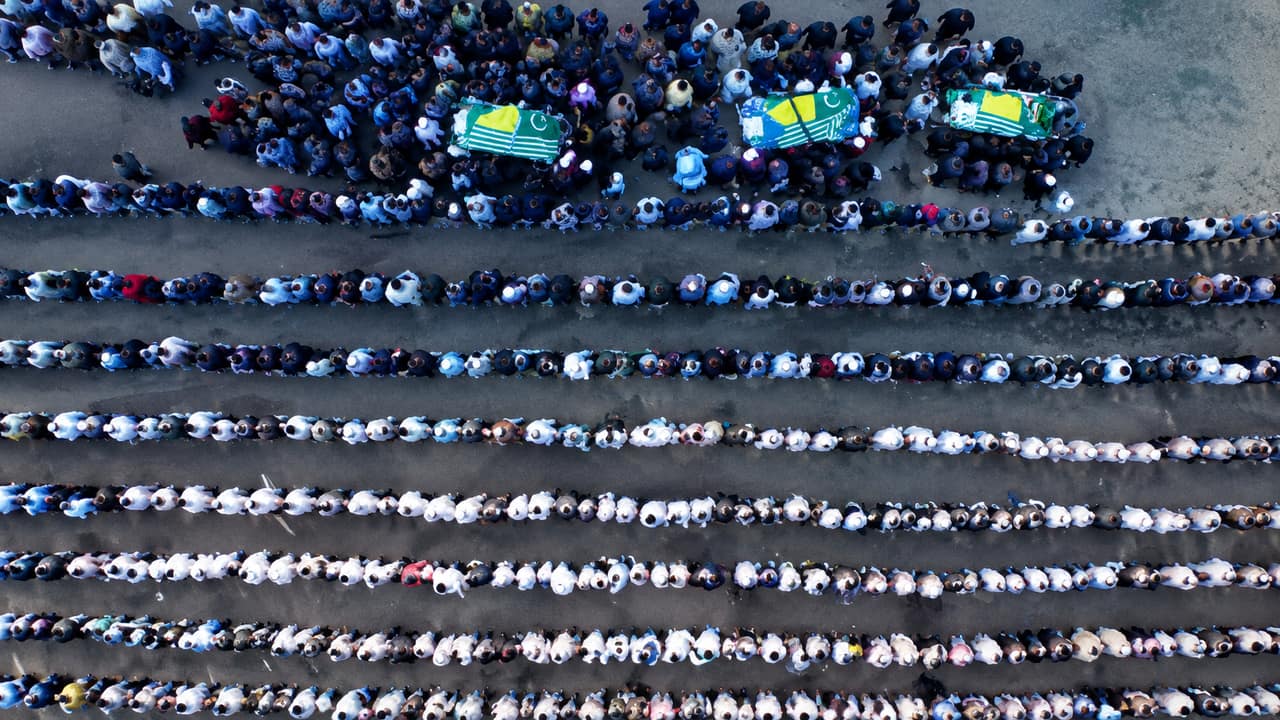
The following accounts were provided to HRCP by family members of persons who died during the unrest in Rawalakot between June and July 2026. They reflect the families’ accounts and recollections and have been presented in condensed form. Unless otherwise indicated, the circumstances of death have not been independently verified by the mission.
Jibran Mushtaq (Galyat, Rawalakot). Jibran, the eldest of three brothers, supported his family through a tea stall at Hajira Adda. According to his family, he was shot in the head on 7 June 2026 and remained under treatment at PIMS Islamabad until his death on 20 July. The family reported difficulties in obtaining his body following his death.
Muzammil Ishaq (Ali Sojal Gharbi, Rawalakot). Muzammil, aged 23, was preparing to travel to Iraq for employment when, according to his family, he was killed on 27 July 2026 near Purani Chungi on Hajira Road. His family described him as a young man preparing to establish a livelihood for himself and support his family.
Saqib Hanif (Rairhban, Rawalakot). Saqib, aged 38, was the father of two sons, aged 16 and
After losing his employment in Qatar, he had been seeking to return abroad for work. According to his family, he was killed on 27 July 2026 near Purani Chungi on Hajira Road. Usman Sabir (Barmang Khurd, Rawalakot). Usman began working at the age of 12 and remained an important source of financial support for his family, including his visually impaired mother and widowed stepsisters. His family reported that he was shot on the night of 7 June 2026 and that they subsequently experienced difficulties in securing his body for burial.
Tabish Qayyum (Banjosa, Rawalakot). Tabish, aged 22, was in the final semester of a BBA at the University of Poonch, Rawalakot and worked as an online freelancer. According to his family, he was killed on 27 July 2026. He is survived by his parents, an elder sister and a younger brother. Muhammad Kashif Yaqoob (Chotagala, Rawalakot). Kashif, aged 32, was a shopkeeper at Ayaz Market and was actively involved in community work. His family reported that he was killed on 27 July 2026. They described him as community-minded and fond of playing cricket. Muhammad Fahim Afzal (Chotagala, Rawalakot). Fahim, aged 31, was employed in Dubai and had returned to Rawalakot for a two-month visit. According to his family, he was killed on 27 July 2026. They described him as a volleyball player and an active member of his local community. Usman Gul (Upper Dhoke, Rawalakot). Usman, aged 23, worked as a daily-wage earner at a tea stall. His family reported that he was killed near Chinar Chowk on 27 July 2026. Several members of his family were themselves dependent on daily-wage employment.
Khawaja Zergham Ali (Drake, Rawalakot). Zergham, aged 22, was studying for a BS in international relations at the University of Poonch, Rawalakot. According to his family, he was killed near Chinar Chowk on 27 July 2026.
Sayyam Liaqat (Maira Hussainkot, Rawalakot). Sayyam, aged 22, was an HSSC student and an active member of his community who played volleyball. His family reported that he was shot near his sister’s house in Panjal Dhand, Rawalakot, on 15 August 2026. They further reported that people attempting to recover his body were also injured.
Shahzib Habib (Ward No. 2, Galyat, Rawalakot). Shahzib, aged 45, owned a bakery, was involved in community activities and was the father of three children. According to his family, he was killed near Barmang Bridge, Khaigala, on 5 June 2026. The family reported subsequent difficulties in obtaining his body for burial.
Usman Nazir (Rawalakot). Usman, aged 47, was an entrepreneur who managed his family’s wholesale distribution business and was actively involved in community affairs. His family reported that he was killed near Chinar Chowk on 27 July 2026. He is survived by his wife and four-year-old son.
Election observation in Bagh
The mission reached Dhirkot around midday on 9 August 2026 to monitor the third phase of polling scheduled for the following day in Bagh and Haveli districts.
Political grievances and the JAAC boycott
A recurring theme in the mission’s discussions with citizens and political stakeholders was that the grievances articulated by JAAC had significant public resonance, including among individuals who did not support the movement’s methods or its decision to boycott the elections. At polling locations in Bagh, some citizens who had chosen not to vote stated that they sought improved governance and considered the elections unacceptable because, in their view, the government’s response to JAAC’s 38-point charter had failed to address their concerns.
Respondents generally characterised the boycott as a political expression of dissatisfaction rather than the result of coercion by JAAC. They stated that the 38-point charter had not been adequately addressed, that Pakistan had ‘unnecessarily interfered’ in the dispute, and that unarmed protesters had been killed by state forces. Some described the election as a ‘farce’, called for improved governance and expressed the view that elections alone could not ensure accountable government. The mission found that the status of the 12 seats reserved for refugees residing in Pakistan was the most frequently cited political grievance. Several citizens stated that the issue should have been addressed through negotiations rather than force and expressed the view that the PML-N and PPP could have played a greater role in facilitating a political settlement. The issue therefore extended beyond JAAC’s membership and supporters and had become part of a broader public debate concerning political representation, legitimacy and the relationship between AJK and Pakistan. At the same time, the mission met political representatives who strongly disagreed with JAAC’s position. Sardar Attique Ahmad Khan, former prime minister of AJK and president of the Muslim Conference, was critical of JAAC’s disruption of public services, trade, banking and education. He nevertheless acknowledged that some of the movement’s grievances were legitimate and advocated resolving the dispute through political dialogue.
Azad Jammu and Kashmir (AJK), a semi-autonomous region under Pakistan's administration, entered 2026 amid a growing crisis of governance, political representation and public trust.
Khan also questioned JAAC’s alleged possession of modern weapons and expressed the view that the movement had shifted from predominantly welfare-related demands towards political issues that should be addressed through the Legislative Assembly. He alleged that JAAC representatives were more inclined to negotiate with military authorities, whom he said they regarded as ‘guarantors’, than with political leaders such as PPP leader Qamar Zaman Kaira and PML-N leader Rana Sanaullah. Regarding the government’s decision to proscribe JAAC, he stated that Prime Minister Faisal Rathore had evidence that the organisation was receiving funding from external sources. The mission was unable to independently verify this allegation. Khan also noted that political parties were themselves part of JAAC.
Khan defended the 12 refugee seats, arguing that they provided political representation to refugees from Jammu and the Kashmir Valley and formed part of the constitutional framework established in 1974. He maintained that the seats could not be abolished through executive action or as a consequence of street protests. He referred to a proposal attributed to former AJK Chief Justice Manzoor Gilani under which refugees could potentially be represented in Pakistan’s Parliament as one possible approach to addressing the controversy. He further suggested that a reduction in Pakistan’s involvement in AJK’s electoral politics could facilitate resolution of the dispute over the seats.
Khan nevertheless expressed reservations about aspects of the electoral process. He argued that announcing results individually through returning officers, rather than centrally by the Election Commission after completion of polling, could influence voting patterns in constituencies where polling had yet to take place. He favoured conducting elections simultaneously throughout AJK rather than in phases. While stating that he had not observed systematic rigging, he raised concerns regarding the possibility of fraudulent votes. Despite his criticism of JAAC, he stated that the Muslim Conference remained willing to engage in dialogue with the movement.
Security environment and competing accounts of violence
The mission encountered sharply divergent accounts concerning the nature and scale of violence during the protests. Inspector General of Police (IGP) AJK Liaquat Ali Malik defended the actions of the police and other law-enforcement agencies. He told the mission that 742 police personnel had been injured and that approximately 38 security personnel, including members of the Rangers, had been killed since June. He stated that the security situation had, at times, prevented security personnel from recovering the bodies of colleagues for burial. However, Malik claimed that reports that hundreds of civilians had been killed could not be substantiated through police records in the absence of bodies, post-mortem examinations, claims by relatives or other documentary evidence. The IGP alleged that protesters possessed M4 rifles and other sophisticated weapons that were not available even to the police, and that law-enforcement personnel had come under fire, resulting in deaths and serious injuries. He criticised media coverage for, in his view, failing to adequately report the use of lethal force against police personnel. He was particularly critical of international media, which he alleged had disseminated propaganda against the police and the Government of Pakistan. He also characterised JAAC as an organised adversary and alleged that its members had access to advanced communications technology. The authorities presented these assertions as part of the rationale for the scale of the security response and the communications shutdown.
The mission was unable to independently verify all these allegations during its visit. At the same time, it encountered citizens and political representatives who rejected the authorities’ characterisation of the protests as ‘acts of terrorism’. Sardar Qamar uz Zaman, the PPP candidate for LA-16, stated that the events in Rawalakot constituted political protest rather than terrorism and argued that political grievances should be addressed through political means rather than the use of force. He also opposed the prolonged suspension of internet services, stating that it had exacerbated the difficulties faced by the population.
The divergence between these accounts is significant. The mission’s observations during polling did not indicate widespread intimidation of voters or candidates by JAAC supporters. Individuals who were critical of JAAC’s political position also generally told the mission that they had not witnessed protesters threatening candidates or voters or physically preventing individuals from exercising their right to vote.
The impact of the communications shutdown
The suspension of internet services emerged as one of the most consistent concerns raised during the mission’s interviews. Political activists, journalists, traders, local government representatives, election officials, students, freelance workers, and other residents described the effects of the shutdown. The mission observed that its impact extended beyond political communication and disrupted banking, education, trade, transport, journalism and other aspects of daily economic and social activity.
Qayum Beg, the mayor of Bagh and a retired army major, described the consequences as particularly severe. He stated that some young people had left the area because of the disruption, banks had remained closed for extended periods, online banking services had been intermittent, and residents had experienced difficulties accessing cash. He said that he had been unable to pay more than 60 sanitation workers employed by the municipal corporation for approximately two months. He further stated that students had been affected by the disruption, with examinations postponed and online assessments, including engineering and Medical and Dental College Admission Test (MDCAT)-related examinations, unable to proceed normally.
The mayor expressed criticism of both JAAC and the government’s response. He stated that AJK had historically not experienced the level of lawlessness witnessed during the crisis and attributed some of the broader instability to political manipulation and frequent changes of government. He argued that JAAC’s political demands should have been addressed through political dialogue rather than force. He also criticised the continued suspension of banking and internet services, stating that the resulting uncertainty had created significant difficulties for the local administration and residents.
Election officials independently confirmed that the communications shutdown had created operational difficulties. A district returning officer (DRO) told the mission that the suspension of internet services was affecting election administration and that the Election Commission had approached the Pakistan Telecommunication Authority to facilitate internet access for election officials. District election officials further told the mission that decisions concerning the classification of polling stations as sensitive and the suspension of internet services were made by security institutions rather than the Election Commission.
Restrictions on the media
The mission found that the communications shutdown had particularly significant consequences for local journalism. Journalists Mehmood Rather of GNN and Gul Nawaz of ABN told the mission that they had been unable to work normally because internet services had remained unavailable for more than two months. Rather stated that journalists had been compelled to travel to Murree or Rawalpindi to file reports. He also reported difficulties in obtaining security passes, particularly for rural areas, and stated that journalists had been instructed verbally not to cover JAAC activities, rather than being issued formal written orders. Access to the road leading to Rawalakot was also reportedly restricted for journalists.
Rather stated that journalists faced pressure from multiple sides. He reported that some local journalists had avoided covering JAAC activities because of the potential consequences and alleged that civilian authorities had also sought to restrict media coverage of the movement. At the same time, he stated that JAAC supporters could subject journalists to criticism and online harassment when they published reports perceived as critical of the movement. He described the cumulative effect of these pressures as making independent reporting particularly difficult.
The mission also received accounts concerning the arrest and detention of journalists. Sardar Awais, who had reported on social media, was reportedly charged under Section 16 of the Maintenance of Public Order Ordinance and Section 302 of the Pakistan Penal Code in connection with an earlier incident involving the deaths of police personnel during clashes in October 2025. Similarly, journalist Mohammad Fazail was reportedly charged under Section 16 of the Maintenance of Public Order Ordinance for covering an earlier JAAC protest and was being held at Dhirkot police station.
Journalists present at another polling station told the mission separately that three of their colleagues had been arrested and detained at a police station after being listed as ‘unidentified persons’ in a first information report relating to an earlier protest. The mission was unable to independently verify the legal basis for these detentions.
Several journalists stated that requirements for special security passes had further restricted their ability to cover the elections, with some reportedly receiving passes valid for only one day.
The mission thus notes that the cumulative effect of restricted access to and coverage of JAAC-related activities—compounded by allegations that JAAC supporters had themselves exerted pressure on journalists whose reporting they considered unfavourable—had narrowed space for independent reporting at a time when reliable and independently verifiable information concerning protests, casualties, arrests and the electoral process was particularly important.
Security deployment and the electoral environment
The mission observed a substantial deployment of security forces in Bagh ahead of the third phase of polling. Police, Frontier Constabulary and Rangers personnel were deployed in large numbers. Several stakeholders referred to the presence of ‘thousands’ of Punjab Police personnel. Sardar Sohail Hassan, head of the PPP control cell, estimated that approximately 9,000 security personnel had been deployed in Bagh. He stated that the heavy security presence was creating difficulties for political mobilisation and anticipated that voter turnout would be considerably lower than in previous elections.
Chaudhry Amanullah Mani, associated with the PPP election cell, stated that voter turnout in the area had traditionally been approximately 40 percent but that the combination of the internet shutdown and the visible presence of security personnel was likely to reduce participation. He also expressed concern regarding the rapid issuance of official notifications and results during earlier phases, stating that this had created uncertainty among voters and contributed to allegations of possible manipulation.
At a Jamaat-i-Islami election camp, Raja Ahmed, the party’s assistant secretary general, stated that JAAC’s boycott had reduced the political momentum of the campaign and contributed to an atmosphere of fear. He considered the scale of the security deployment excessive and argued that conducting the elections in phases amounted to ‘pre-poll rigging’. Usman Ahmed of the Jamaat-i- Islami similarly stated that, although contestants had formally been provided with a degree of equality in the electoral process, the heavy security presence, violence and internet shutdown had adversely affected the campaign environment and contributed to perceptions of pre-poll manipulation.
The mission’s direct observations at the Ghaziabad polling station in LA-14, however, indicated that voting was proceeding in an orderly manner. By approximately 10 AM, around 400 of more than 1,200 registered voters had cast their ballots. The mission observed no immediate complaints from male or female voters present at the polling station.
Voter turnout and voluntary boycott
The mission observed substantial variations in voter participation. At Government Boys Degree College Rera and Sardar Salah Muhammad Khan Shaheed Government Boys Model Higher Secondary School Rera, polling staff reported that more than 3,000 voters were registered across the polling stations, but that only approximately 70 votes had been cast by 3 PM. The staff specifically stated that voters had not been physically threatened or prevented from attending the polling stations and attributed the low turnout to a voluntary boycott.
People gathered outside the polling stations broadly corroborated this account. They stated that they were boycotting the elections because of dissatisfaction with the government, support for JAAC’s 38-point charter and demands for improved governance. Some described the election as meaningless or fraudulent and criticised the national media for failing to provide coverage of the protests. They also expressed the view that the Government of Pakistan had intervened unnecessarily in what they regarded as a dispute between the people and government of AJK.
At the same time, the mission did not find evidence from those interviewed that JAAC supporters had systematically coerced voters into remaining at home. Individuals who disagreed with JAAC’s political position also generally did not report having been threatened or physically prevented from participating in the elections.
This distinction is relevant to assessing the nature of the boycott. The mission encountered evidence of a politically motivated boycott and voter apathy, but limited evidence during its observation of polling that voters were being physically coerced by protesters.
Women’s participation and perceptions of insecurity
The mission observed particularly low participation by women. District-level observations and interviews suggested that women’s reluctance to participate was influenced, at least in part, by the broader climate of insecurity. Factors cited to the mission included the reported shooting of a woman patient in a hospital in Kotli on 9 June 2026, the placement of women protesters on the Fourth Schedule during the Rawalakot protests, and the registration of an anti-terrorism case against a woman. The mission was also informed of reported deaths resulting from aerial firing during a long march.
These accounts require independent verification. Nevertheless, they indicate the extent to which the unrest and subsequent security measures may have generated fear among women and affected their willingness or ability to participate in the electoral process.
At the Government Pilot High School polling station in Bagh, teachers, journalists, traders and voters similarly identified the internet shutdown as their principal concern. Teachers told the mission that many young people had not participated in the election because they expected political leaders to resolve their concerns and had lost confidence in the political process. They expressed support for JAAC’s demands and resentment at the characterisation of people from Poonch as ‘terrorists’ or ‘not Kashmiri’. They emphasised Poonch’s history of political mobilisation and argued that this context should not be disregarded. Respondents also expressed resentment over what they saw as the authorities’ failure to hear genuine grievances and labelling those articulating such grievances as ‘terrorists’ or ‘traitors’.
Economic and commercial consequences
The crisis has had significant economic consequences. A senior representative of the Anjuman-e- Tajran, told the mission at the polling station in LA-16, Bagh, that businesses had been severely affected by the simultaneous closure of banks, disruption of transport and suspension of internet services. Although he and other traders had previously supported JAAC, he stated that they no longer supported the movement.
A small trader, who said he operated a snooker business, stated that his business had initially been severely affected by the restrictions but was beginning to recover. Another trader who operates a photocopying business informed the mission that his business was at risk of closure.
A fast-food business owner described what he characterised as severe economic hardship following the crackdown. He alleged that, when routes into and out of AJK were closed, security checkpoints on the remaining supply route demanded payments of between PKR 100,000 and PKR 200,000. The mission was unable to independently verify this allegation.
Another trader stated that a colleague transporting 16 bags of flour from Rawalpindi had allegedly been stopped at a security checkpoint and charged PKR 400 per bag before being permitted to proceed. He further stated that food remained available but at significantly higher prices and that companies had reduced deliveries because of the restrictions. He also alleged that vehicles carrying Kashmiri identity cards were being stopped at checkpoints, thereby restricting movement.
These accounts illustrate the broader economic consequences of the prolonged restrictions. The impact extended beyond those directly involved in the protests and affected traders, employees, students, transport operators, businesses and public institutions.
Local government and institutional concerns
Mayor Qayum Beg also raised concerns regarding the functioning of local government institutions. He stated that amendments to the local government framework had been introduced following directions of the High Court with the aim of enabling local bodies to receive development funds, but that the AJK Assembly had not provided the required funding. He attributed this to what he described as a broader reluctance to empower elected local government institutions. Beg also referred to comments reportedly made by former AJK Prime Minister Anwar-ul-Haq, which he interpreted as reflecting opposition to transferring development funds to local bodies.
He further criticised the handling of education during the crisis. According to Beg, intermediate examinations had been disrupted, online engineering examinations could not be conducted as scheduled, and the MDCAT had also been affected. He said that students applying for admission to universities abroad had been unable to complete their applications. The disruption therefore extended beyond immediate concerns relating to political rights and public order to essential educational and administrative functions.
Election administration and institutional independence
The mission’s discussions with election officials indicated that the administration of the elections was taking place under challenging circumstances. One DRO reported that election materials had reached polling stations and that no significant problems had been encountered by election staff. He stated that Form 24 had been provided to presiding officers in the presence of representatives of contesting candidates and that certified copies of the results had been provided to the relevant polling officials.
At the same time, the election administration appeared to be operating within a broader security framework in which some decisions affecting the conduct of the elections were made outside its direct control. Officials stated that the classification of polling stations according to their level of sensitivity and decisions concerning the suspension of internet services were determined by security institutions rather than the Election Commission. The Election Commission had itself requested the restoration of internet access for election officials. The continued suspension of internet services, however, had made its job far more difficult.
This distinction is relevant to assessing the institutional environment in which the elections were conducted. While the mission did not observe systematic administrative interference at the polling stations it visited, election officials were operating under security and communications arrangements that affected campaigning, access to information, communication and other conditions relevant to the electoral process.
Postponement of polling in Rawalakot and position of security authorities
In a meeting with the mission at a polling station in Bagh, IGP AJK Liaquat Ali Malik defended the postponement of polling in Rawalakot. He attributed the decision to a ‘handful of people’ who, he stated, had prevented the transportation of election materials and voters to polling stations. He stated that elections would be held when circumstances permitted but did not provide a specific timeframe.
When asked about concerns that phased elections could affect voters’ perceptions or provide an advantage to parties whose candidates had already secured seats, the IGP argued that armed violence itself had a greater psychological impact and that postponing elections was preferable to holding them under conditions of insecurity.
Malik reiterated that 742 police personnel had been injured and that approximately 38 security personnel, including members of the Rangers, had been killed since June 2026. He presented these figures as evidence of the severity of the security situation and as justification for the postponement of polling and the extensive deployment of security personnel.
Access to Rawalakot and limitations on independent observation
The mission attempted to visit Rawalakot, one of the principal centres of the unrest, but was unable to do so. Mission members were also unable to meet the deputy commissioner, who was reportedly out of station and referred the team to the assistant commissioner, who agreed to meet the team in Bagh. Despite repeated attempts, the mission was also unable to meet the assistant commissioner. The mission therefore concluded that it was unable to obtain the necessary administrative facilitation to visit Rawalakot. Although the team attempted to use an alternative route, this was blocked by dense tree cover.
This limitation is significant because Rawalakot was the site of some of the most serious violence and was central to the controversy surrounding the crisis. The inability to conduct direct observation in the area constrained the mission’s ability to independently assess allegations concerning casualties, use of force, arrests and disruption of the electoral process. Accordingly, this report distinguishes, where possible, between matters directly observed by the mission and allegations or accounts obtained from respondents concerning events in areas to which the mission did not have access.
Observations and analysis
Broadly, the mission’s interviews reveal a notable degree of convergence on one point despite substantial disagreement on other aspects of the crisis: that the underlying political dispute should ultimately have been addressed through political means. This view was expressed by citizens who supported JAAC, political figures who disagreed with its methods, the mayor of Bagh and former AJK prime minister Sardar Attique Ahmad Khan. Even those who strongly criticised JAAC for disrupting public services and economic activity acknowledged that some of its underlying grievances were legitimate and could not be resolved through force alone. Conversely, those supporting JAAC regarded the government’s response as evidence of the failure of political institutions to address longstanding public concerns.
The mission also identified an important distinction between political rejection of the elections and physical obstruction of voting. At the polling locations visited, election staff generally reported that they had been able to perform their duties and that voters had not been physically prevented from attending polling stations. In some areas, low turnout appeared to reflect a combination of voluntary boycott, political disillusionment, fear and the wider effects of the communications shutdown and security environment, rather than systematic physical intimidation by protesters. At the same time, the substantial deployment of security personnel, the postponement of polling in Rawalakot and other constituencies, and the phased conduct of the elections affected the political and psychological environment in which voters and candidates participated.
The mission’s observations therefore point to a complex and highly polarised situation that cannot be adequately explained through a single narrative. The government and security authorities characterised the crisis as an organised armed challenge requiring extensive security measures, while JAAC supporters and several political actors regarded it primarily as a political movement whose grievances had been met with excessive force. Journalists reported pressure from both state authorities and JAAC supporters, while the prolonged suspension of internet services affected multiple sectors of society. Election officials appeared to maintain the basic administrative processes required for polling but operated within significant security and communications constraints. At the same time, citizens continued to express concerns regarding the suspension of connectivity services, governance, political representation and the failure of political institutions to resolve the underlying dispute.
The mission’s findings suggest that the electoral process took place in an environment shaped by unresolved political grievances, heightened insecurity, restrictions on communications and significant limitations on independent observation. These conditions do not, in themselves, establish that the elections were systematically manipulated or that voters were systematically prevented from exercising their rights. They do, however, raise legitimate concerns regarding the extent to which all citizens and political actors were able to participate in an environment conducive to free, informed and meaningful political choice.
Conclusion
The mission concludes that the 2026 crisis in AJK resulted from longstanding political and socioeconomic grievances, institutional distrust, governance deficits and an increasingly confrontational state response, including the disproportionate use of force. While accounts differed sharply on the nature of JAAC, the scale and causes of violence, and the conduct of security forces, there was broad recognition among political and community stakeholders that the underlying grievances required a political response. The resort to coercive measures in place of sustained dialogue appears to have deepened polarisation and eroded public trust.
The crisis has had implications for a wide range of rights and freedoms beyond the elections, including the rights to life, liberty and security of person; freedom of expression, peaceful assembly and association; freedom of movement; access to information; and participation in public affairs. Prolonged internet and mobile shutdowns, movement restrictions, disruption of access to essential goods and healthcare, arrests and detention of activists and journalists, and the use of anti-terrorism and preventive-detention provisions collectively narrowed civic space in AJK.
The mission is particularly concerned by allegations of lethal and excessive use of force against protesters. While the authorities provided figures concerning security personnel casualties—including the IGP’s account of approximately 38 security personnel killed and 742 police personnel injured since June—the mission did not receive comparably substantiated information on civilian deaths and injuries. It received multiple accounts alleging that protesters had been killed or seriously injured by security forces but could not independently verify their full scale or circumstances, particularly in Rawalakot, where access was unavailable. These limitations underscore, rather than diminish, the need for prompt, independent and impartial investigations into all deaths and serious injuries, including whether the use of force was lawful, necessary and proportionate.
The mission is also concerned by reports of arbitrary or inadequately documented arrests and detention of political activists, journalists and others associated with the protests. The placement of at least 147 JAAC activists on the Fourth Schedule, with additional names reportedly added later, and the use of anti-terrorism legislation against persons engaged in political dissent raise serious questions regarding necessity and proportionality. Counter-terrorism and preventive-detention powers must not be used to criminalise peaceful political activity and should remain subject to strict legal safeguards, judicial oversight and effective remedies.
Restrictions on journalism and access to information further constrained civic space. Arrests and legal action against journalists, restrictions on access to affected areas, special security requirements and the prolonged communications shutdown severely limited independent reporting. The mission also received allegations of pressure from JAAC supporters against journalists whose reporting was considered unfavourable. The cumulative effect was a significant reduction in independent reporting at a time when reliable information on casualties, arrests, use of force and the electoral process was essential.
The communications shutdown also disrupted banking, education, commerce, transport, public administration and healthcare. Its duration and geographical scope raise questions concerning its legality, necessity and proportionality. Restrictions imposed on communications for public-order or security purposes should have a clear legal basis and be strictly necessary and proportionate to a legitimate objective.
The elections were conducted within this constrained civic environment. At the polling stations visited, the mission found limited evidence of systematic physical coercion of voters by JAAC supporters and observed that low turnout in some areas appeared to reflect voluntary boycott, political disillusionment and insecurity. This does not, however, resolve wider concerns about electoral credibility. Heavy security deployment, communications restrictions, the boycott by major political actors, phased polling, postponed constituencies and allegations of irregularities affected the conditions in which citizens exercised their political rights. The mission’s inability to access Rawalakot further limited independent assessment of events central to the electoral controversy.
The credibility of elections depends not only on the conduct of polling but also on the wider environment in which voters, candidates, political parties, journalists and civil society can exercise their rights. The 2026 electoral process must therefore be assessed in the context of the restrictions and alleged violations that preceded and accompanied it.
For HRCP, the cumulative evidence warrants independent scrutiny of the legality and proportionality of the state’s response, including alleged unlawful killings and excessive force, arrests and detention, the use of anti-terrorism and preventive-detention legislation, restrictions on peaceful assembly and movement, and curbs on independent journalism and communications. An independent assessment of the electoral process is likewise warranted, including the effects of the boycott, security restrictions, communications shutdown, phased polling and postponed constituencies on political participation and electoral credibility.
Recommendations
In light of its findings, the mission makes the following specific recommendations:
Investigate deaths, injuries and alleged human rights violations. An independent and impartial mechanism acceptable to all stakeholders should investigate all major incidents since June 2026, including deaths, injuries, alleged unlawful killings, excessive use of force, arbitrary detention and other reported violations. The investigation should hear from protesters, victims’ families, journalists, civil society, political representatives, police and other state institutions. Its findings should be made public and followed by appropriate legal and institutional action. Accountability should apply to both state officials and protesters where individual responsibility is established by evidence.
Ensure due process and review cases arising from the protests. Everyone arrested in connection with the protests should be promptly produced before a competent court, informed of the grounds for arrest and granted access to legal counsel. No person should be held incommunicado. Cases against protesters, activists, journalists and political workers should be independently reviewed, with persons detained or prosecuted solely for peaceful political activity, criticism of government policies or lawful assembly released and cases withdrawn. Law enforcement should distinguish between peaceful dissent and conduct involving violence or other cognisable offences.
Review the use of anti-terrorism and preventive-detention provisions. The proscription of JAAC and the subsequent use of anti-terrorism legislation against its members should be reviewed. Fourth Schedule listings and other watchlist or preventive-detention measures should be based on specific evidence, communicated to affected persons and subject to due process, judicial oversight and effective remedies. Political movements should not automatically be treated as security threats merely because they represent significant public grievances.
Protect freedom of expression, peaceful assembly and independent journalism. Political parties, civil society organisations, journalists and citizens should be able to express grievances, organise peacefully and report on public affairs without intimidation, harassment or collective punishment. Journalists should have access to protest- and conflict-affected areas, subject only to narrowly defined and lawful security restrictions, and should not face arrest or anti-terrorism proceedings for legitimate journalistic activity. The government should also protect journalists from pressure or intimidation by non-state actors.
End disproportionate restrictions on communications and movement. Any suspension of internet or mobile services must have a clear legal basis and meet the requirements of necessity, proportionality and defined duration, with independent oversight and avenues for review. Unnecessary restrictions on movement should be withdrawn. Independent cellular operators should be permitted to operate in AJK to promote competition and reduce dependence on the Special Communications Organisation (SCO), where this is consistent with applicable law and security requirements.
Protect access to essential goods, healthcare, education and livelihoods. Security measures and restrictions should not unnecessarily impede access to food, medicines, hospitals, education, banking, transport or livelihoods. Families of those killed and persons seriously injured should have access to adequate compensation, medical care and rehabilitation, without prejudice to their right to pursue legal remedies.
Undertake an inclusive political dialogue on the underlying grievances. The government should establish a broad-based and structured dialogue involving JAAC representatives, political parties, elected representatives, lawyers, civil society, journalists and other relevant stakeholders. The process should address concerns relating to governance, public expenditure and privileges, accountability, service delivery, political representation and the relationship between AJK’s elected institutions and authorities outside the territory. Legitimate political demands should be addressed through transparent institutional reform rather than temporary concessions followed by renewed confrontation.
Create a permanent mechanism for political dispute resolution. AJK’s political parties should collectively establish a permanent, inclusive consultative mechanism for addressing major political, economic and constitutional grievances before they escalate into prolonged strikes, blockades or violent confrontation. Its composition and mandate may be determined through broader consultation with not only the region’s political parties, but also its civil society, social movements, and other stakeholders. Such a mechanism could provide an institutional alternative to repeated cycles of protest, negotiation and coercive response.
Resolve the question of the 12 refugee seats constitutionally and inclusively. The status of the 12 refugee seats should be addressed through the constitutionally prescribed process and meaningful political and public consultation, potentially through a multistakeholder conference. The legitimate interest of Kashmiri refugees in political representation should be protected while concerns regarding the seats’ implications for local representation and government formation are openly examined.
Conduct an independent assessment of the 2026 electoral process. The Election Commission should undertake a comprehensive review of the 2026 elections, the credibility of which appears to have been called into question. This review should examine the effects of violence, communications restrictions, security deployment, the boycott, phased polling and postponed constituencies on voter and candidate participation. It should also examine allegations of electoral irregularities and assess whether the overall environment enabled citizens to participate freely, equally and meaningfully.

Comments (0)