
Rabbi ishrah li sadri wa yassir li amri wahlul uqdatan min lisani yafqahu qawli. Assalamualaikum wa rahmatullahi wa barakatuh. I am Barrister Shazia Anwer Khan. I'm Canadian Kashmiri practicing law in Canada.
Introduction to Schedule 4
Today I'm making this video to talk about Schedule 4 in Azad Jammu and Kashmir Anti-Terrorism Act 2014. I encourage everybody to watch this video until the end. Because this video will help you understand the Schedule 4 of Azad Jammu Anti-Terrorism Act. Basically, the Schedule 4 is a watch list mechanism under Pakistani Anti-Terrorism Act of 1997, adapted in Azad Jammu and Kashmir as Azad Jammu and Kashmir Anti-Terrorism Act 2014, which was amended in 2019, and there were only two sections were amended, Section 12 and 16 of the Act.
Pakistan basically enacted the Anti-Terrorism Act in 1997 to create a special legal framework for terrorism. However, the original framework did not contain the Schedule 4. Schedule 4 was later created and incorporated in Pakistani Anti-Terrorism Act of 1997 in General Pervez Musharraf government, and gave the new name to this Act, this... that is Pakistani Anti-Terrorism Act 2002.
Schedule 4, what is Schedule? Schedule 4 is itself a monitoring mechanism on individuals in the state. It allows the government and the state authorities or the law enforcement agencies to keep eyes on individuals' movement. And this Schedule also allows the government and state authorities and the law enforcement agencies to place individuals suspected of involvement in terrorism or linked to a proscribed organization under strict surveillance.
History of Schedule 4
I would like to give you a brief history of Schedule 4. This Schedule 4 is based on the Code of Criminal Procedure 1898 enacted during British rule, and Section 107 to Section 110 created preventing proceedings to maintain the peace and security and ensure good behavior. Basically, the Code of Criminal Proceedings 1898 was created to enhance monarch power as well as to enhance the magistrate power.
However, this criminal... the Code of Criminal Proceedings did not apply on individuals, it was applied on political activists or a group of people. However, the Schedule 4, when created, it was applied on individuals. Individuals placed on Schedule 4 basically face severe restrictions, such as they face traveling restrictions, they are not allowed to travel freely without restrictions.
And their all assets, their money, their bank balance, their all assets got frozen, and their movements are under strict surveillance by law enforcement agencies. Recently, the government of Azad Jammu and Kashmir placed many national and international or overseas Kashmiris under Schedule 4 of Azad Jammu and Kashmir Anti-Terrorism Act 2014. And I would like to give you a brief overview why the Azad Jammu and Kashmir government placed those individuals under Section 4...
Joint Awami Action Committee
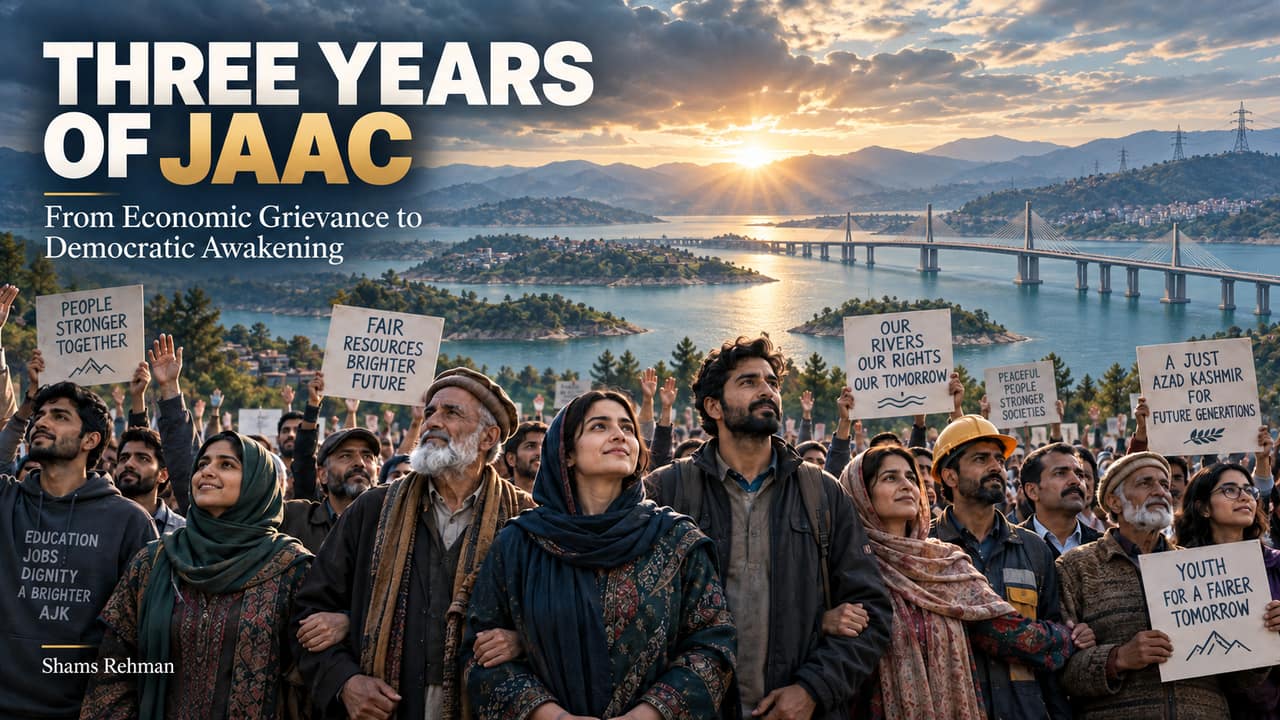
Schedule 4. Basically, that Joint Awami Action Committee was established back in 2023. And the committee... when the... when the people of Azad Jammu and Kashmir were sick and tired of their governments and their political parties, the laypeople established a committee, and committee established 38 charter of demands. Their charter of demands were: affordable healthcare, affordable education, electricity at production cost, reform in 12 refugee seats in Pakistan, anti-corruption government, and the privileges, VIP privileges in Azad Jammu and Kashmir, better maintenance... better infrastructure including tunnels and bridges, and so and so.
So when the... when the Joint Awami Action Committee established these 30 charters in 2023, and they started protesting, the government of Pakistan, Pakistani army, and the government of Azad Jammu and Kashmir invited the core committee members on the negotiation table and negotiate their basic demands and promised to resolve them. Anyway, it happened in 2023, 2024, 2025. In 2026, when the committee informed the government that... that the charter of demands are still pending and we need some practical work on those charters, if the practical steps are not going to be proceed, the committee will start protesting.
Committee is very popular in Azad Jammu and Kashmir. It's very unfortunate that the committee, Jammu Kashmir Joint Awami Action Committee, started their protest on 6th of June, but on 5th of June 2026, the government of Pakistan, Pakistani army, and the government of Azad Jammu and Kashmir declared committee as a proscribed organization and declared their core member as an illegal person and placed bounties on their head, which doesn't... which doesn't make any sense.
Security Forces Operation
Committee started their protest on 6th of June, and Pakistani security forces carried out operation within Azad Jammu and Kashmir and killed peaceful, unarmed, more than 100 Kashmiris, more than 100 Kashmiri protesters. Kashmiris, national as well as overseas Kashmiris, who spoke up against this injustice, because injustice anywhere is a threat to justice everywhere, and the time is right to do what is right, time is always right to do what is right.
Schedule 4 is itself a monitoring mechanism on individuals in the state.
And those people, national Kashmiris or overseas Kashmiris, who supported the charter of demands, Joint Awami Action Committee charter of demands, versus who speak up against injustice which happened by Pakistani security forces operation... co-operation in Azad Jammu and Kashmir, the government of Azad Jammu and Kashmir placed those individuals under Schedule 4 of Anti-Terrorism Act 2014.
Statutory Definition of Terrorism
So, before placing any person on the Schedule 4 of Anti-Terrorism Act of Azad Jammu Kashmir 2014, the... the government, the state authorities, and the law enforcement agencies must first determine whether the person's alleged conduct fall within the statutory definition of terrorism pursuant to Section 5 of Azad Jammu and Kashmir Anti-Terrorism Act 2014. I would like to give you a brief overview of Section 5, which based on the statutory definition of terrorism.
with the principle that executive power or the government or the state authorities or law enforcement power must be exercised according to law, not on arbitrary grounds.
Definitely, I would not... I would not like to discuss in a detail because it will consume your lot of time, but I will like to read from the Act as just a brief overview what going to be fall under the statutory definition of terrorism. Section 5, I'm reading from the Act. Section 5 of Azad Jammu and Kashmir Anti-Terrorism Act 2014 defines terrorism as an action or threat designed to intimidate the government or public, create social... or create any fear, or advance religious, religious... advance religious, sectarian, or ethnic cause, while explicitly excluding peaceful legal demonstration.
Acts Classified as Terrorism
It classify... it classifies specific illegal acts as terrorism, including killing of people, severe bodily harm, property destruction, kidnapping for ransom, hijacking, explosive use, extortion, and attack on security forces and armed resistance against law enforcement. This provision established that using firearms or explosive... explosives automatically constitute terrorism regardless of intent.
Incorporates... incorporates internal anti-terrorism conventions, covers acts supporting proscribed organization, and legally defines a terrorist as anyone participating in preparing or instigating these acts. This is the legal... this is the overview of statutory definition of... of... of terrorism. So, only if this threshold is met, the Schedule 4 of Anti-Terrorism Act will be applied.
Application to Committee Supporters
According to my understanding, that state authorities applied Schedule 4 mostly to people who support Joint Awami Action Committee charter of demands, and also those who spoke up against injustice which has been taken by Pakistani security forces' operation, carried out operation, and killed more than 100 unarmed, peaceful protesters, Kashmiri protesters. So, it is respectfully submit that Joint Awami Action Committee charter of demands do not fall... do not fall within the definition, statutory definition of terrorism pursuant to Section 5 of the Azad Jammu and Kashmir Anti-Terrorism Act 2014.
In my view, if a person or an organization does not fall within the statutory definition of Azad Jammu Anti-Terrorism Act pursuant to Section 5, then placing those individual who support the charter of demands or spoke against injustice in Azad Jammu and Kashmir lacks proper legal basis under the Act. I'm concerned that this definition may reflect factors other than legal criteria, and if so, that would be inconsistent with the principles... with the principle that executive power or the government or the state authorities or law enforcement power must be exercised according to law, not on arbitrary grounds.
Arbitrary and Illegal Placements
Here in this scenario, placing those who support the charter of demands and who... who speak up against injustice, placing those individuals under Section... Schedule 4 of Anti-Terrorism Act is illegal, unacceptable, and arbitrary... and also based on arbitrary grounds. Thank you so much.
ربِّ اشْرَحْ لِي صَدْرِي وَيَسِّرْ لِي أَمْرِي وَاحْلُلْ عُقْدَةً مِّن لِّسَانِي يَفْقَهُوا قَوْلِي۔ السلام علیکم و رحمۃ اللہ و برکاتہ۔ میں بیرسٹر شازیہ انور خان ہوں۔ میں کینیڈین کشمیری ہوں اور کینیڈا میں وکالت کرتی ہوں۔
آج میں یہ ویڈیو آزاد جموں و کشمیر انسدادِ دہشت گردی ایکٹ 2014 کے شیڈول 4 کے بارے میں بات کرنے کے لیے بنا رہی ہوں۔ میری سب سے گزارش ہے کہ اس ویڈیو کو آخر تک ضرور دیکھیں۔ کیونکہ یہ ویڈیو آپ کو آزاد جموں و کشمیر انسدادِ دہشت گردی ایکٹ کے شیڈول 4 کو سمجھنے میں مدد دے گی۔ بنیادی طور پر، شیڈول 4 پاکستانی انسدادِ دہشت گردی ایکٹ 1997 کے تحت واچ لسٹ کا ایک طریقہ کار ہے، جسے آزاد جموں و کشمیر میں "آزاد جموں و کشمیر انسدادِ دہشت گردی ایکٹ 2014" کے طور پر اپنایا گیا، جس میں 2019 میں ترمیم کی گئی اور اس ایکٹ کی صرف دو دفعات، یعنی دفعہ 12 اور 16، میں ترمیم کی گئی تھی۔
پاکستان نے بنیادی طور پر دہشت گردی سے نمٹنے کے لیے ایک خصوصی قانونی فریم ورک قائم کرنے کی خاطر 1997 میں انسدادِ دہشت گردی ایکٹ نافذ کیا۔ تاہم، اس اصل فریم ورک میں شیڈول 4 شامل نہیں تھا۔ شیڈول 4 بعد میں جنرل پرویز مشرف کے دورِ حکومت میں تیار کیا گیا اور پاکستانی انسدادِ دہشت گردی ایکٹ 1997 میں شامل کیا گیا، اور اس ایکٹ کو نیا نام دیا گیا، یعنی پاکستانی انسدادِ دہشت گردی ایکٹ 2002۔
شیڈول 4، شیڈول کیا ہے؟ شیڈول 4 بذاتِ خود ریاست میں افراد پر نگرانی کا ایک طریقہ کار ہے۔ یہ حکومت، ریاستی حکام اور قانون نافذ کرنے والے اداروں کو افراد کی نقل و حرکت پر نظر رکھنے کا اختیار دیتا ہے۔ اور یہ شیڈول حکومت، ریاستی حکام اور قانون نافذ کرنے والے اداروں کو اس بات کی بھی اجازت دیتا ہے کہ وہ دہشت گردی میں ملوث ہونے کے شبہے یا کسی کالعدم تنظیم سے وابستہ افراد کو سخت نگرانی میں رکھیں۔
میں آپ کو شیڈول 4 کا ایک مختصر تاریخی پس منظر بتانا چاہتی ہوں۔ یہ شیڈول 4 برطانوی دور میں نافذ ہونے والے ضابطہ فوجداری 1898 پر مبنی ہے، اور اس کی دفعہ 107 سے دفعہ 110 تک امن و امان کے قیام اور نیک چلنی کو یقینی بنانے کے لیے انسدادی کارروائیوں کا تعین کیا گیا تھا۔ بنیادی طور پر، ضابطہ فوجداری 1898 تاجِ برطانیہ اور ساتھ ہی مجسٹریٹ کے اختیارات میں اضافے کے لیے بنایا گیا تھا۔
تاہم، ضابطہ فوجداری کا اطلاق اکیلے افراد پر نہیں ہوتا تھا، بلکہ یہ سیاسی کارکنوں یا لوگوں کے کسی گروہ پر لاگو ہوتا تھا۔ لیکن جب شیڈول 4 بنایا گیا تو اس کا اطلاق انفرادی طور پر اشخاص پر کیا گیا۔ جن افراد کے نام شیڈول 4 میں شامل کیے جاتے ہیں، انہیں بنیادی طور پر سخت پابندیوں کا سامنا کرنا پڑتا ہے، جیسے سفری پابندیاں؛ انہیں بغیر کسی رکاوٹ کے آزادانہ سفر کرنے کی اجازت نہیں ہوتی۔
اور ان کے تمام اثاثے، رقوم اور بینک بیلنس منجمد کر دیے جاتے ہیں، اور قانون نافذ کرنے والے ادارے ان کی نقل و حرکت پر کڑی نظر رکھتے ہیں۔ حال ہی میں، آزاد جموں و کشمیر کی حکومت نے بہت سے مقامی اور بین الاقوامی یا سمندر پار کشمیریوں کو آزاد جموں و کشمیر انسدادِ دہشت گردی ایکٹ 2014 کے شیڈول 4 میں شامل کر دیا ہے۔ اور میں اس بارے میں ایک مختصر جائزہ پیش کرنا چاہتی ہوں کہ حکومتِ آزاد جموں و کشمیر نے ان افراد کو شیڈول 4 میں کیوں شامل کیا۔
بنیادی طور پر، جوائنٹ عوامی ایکشن کمیٹی 2023 میں قائم کی گئی تھی۔ اور جب آزاد جموں و کشمیر کے عوام اپنی حکومتوں اور سیاسی جماعتوں سے تنگ آ چکے تھے، تو عام شہریوں نے ایک کمیٹی قائم کی، اور کمیٹی نے 38 مطالبات پر مشتمل ایک چارٹر تشکیل دیا۔ ان کے مطالبات کے چارٹر میں شامل تھے: سستی صحت کی دیکھ بھال، سستی تعلیم، پیداواری لاگت پر بجلی، پاکستان میں مہاجرین کی 12 نشستوں میں اصلاحات، بدعنوانی سے پاک حکومت، آزاد جموں و کشمیر میں وی آئی پی مراعات کا خاتمہ، اور سرنگوں اور پلوں سمیت بہتر بنیادی ڈھانچہ وغیرہ۔
چنانچہ جب جوائنٹ عوامی ایکشن کمیٹی نے 2023 میں یہ مطالبات مرتب کیے اور احتجاج شروع کیا، تو حکومتِ پاکستان، پاکستانی فوج اور آزاد جموں و کشمیر کی حکومت نے کور کمیٹی کے ارکان کو مذاکرات کی میز پر بلایا، ان کے بنیادی مطالبات پر بات چیت کی اور انہیں حل کرنے کا وعدہ کیا۔ بہرحال، یہ سلسلہ 2023، 2024 اور 2025 میں چلا۔ 2026 میں جب کمیٹی نے حکومت کو آگاہ کیا کہ مطالبات کا چارٹر تاحال زیرِ التوا ہے اور ہمیں اس پر عملی پیش رفت درکار ہے، اور اگر عملی اقدامات نہ کیے گئے تو کمیٹی دوبارہ احتجاج شروع کرے گی۔
کمیٹی آزاد جموں و کشمیر میں انتہائی مقبول ہے۔ یہ انتہائی افسوسناک ہے کہ جموں کشمیر جوائنٹ عوامی ایکشن کمیٹی نے 6 جون کو احتجاج شروع کرنا تھا، لیکن 5 جون 2026 کو ہی حکومتِ پاکستان، پاکستانی فوج اور حکومتِ آزاد جموں و کشمیر نے کمیٹی کو کالعدم تنظیم قرار دے دیا اور اس کے بنیادی ارکان کو غیر قانونی افراد قرار دے کر ان کے سروں کی قیمت مقرر کر دی، جس کی کوئی تُک نہیں بنتی۔
یہ حکومت، ریاستی حکام اور قانون نافذ کرنے والے اداروں کو افراد کی نقل و حرکت پر نظر رکھنے کا اختیار دیتا ہے۔
کمیٹی نے 6 جون کو اپنا احتجاج شروع کیا، اور پاکستانی سیکیورٹی فورسز نے آزاد جموں و کشمیر کے اندر آپریشن کیا اور 100 سے زائد پرامن اور نہتے کشمیری مظاہرین کو شہید کر دیا۔ کشمیریوں، خواہ وہ مقامی ہوں یا اوورسیز، جنہوں نے اس ناانصافی کے خلاف آواز اٹھائی—کیونکہ کہیں بھی ہونے والی ناانصافی ہر جگہ کے انصاف کے لیے خطرہ ہوتی ہے، اور صحیح کام کرنے کے لیے وقت ہمیشہ ہی درست ہوتا ہے—اور وہ افراد، مقامی یا سمندر پار کشمیری، جنہوں نے جوائنٹ عوامی ایکشن کمیٹی کے مطالبات کے چارٹر کی حمایت کی، یا آزاد جموں و کشمیر میں پاکستانی سیکیورٹی فورسز کے آپریشن کے نتیجے میں ہونے والی ناانصافی کے خلاف آواز اٹھائی، آزاد جموں و کشمیر کی حکومت نے ان تمام افراد کو انسدادِ دہشت گردی ایکٹ 2014 کے شیڈول 4 میں ڈال دیا۔
لہٰذا، کسی بھی شخص کو آزاد جموں و کشمیر انسدادِ دہشت گردی ایکٹ 2014 کے شیڈول 4 میں شامل کرنے سے پہلے، حکومت، ریاستی حکام اور قانون نافذ کرنے والے اداروں کے لیے لازمی ہے کہ وہ پہلے یہ طے کریں کہ آیا اس شخص کا مبینہ عمل آزاد جموں و کشمیر انسدادِ دہشت گردی ایکٹ 2014 کی دفعہ 5 کے تحت دہشت گردی کی قانونی تعریف کے دائرے میں آتا بھی ہے یا نہیں۔
میں دفعہ 5 کا ایک مختصر جائزہ پیش کرنا چاہتی ہوں، جو دہشت گردی کی قانونی تعریف پر مبنی ہے۔ یقیناً میں اس پر تفصیلی بات نہیں کروں گی کیونکہ اس میں آپ کا کافی وقت لگے گا، لیکن میں ایکٹ سے پڑھ کر مختصراً بتانا چاہوں گی کہ دہشت گردی کی قانونی تعریف کے تحت کیا کچھ آتا ہے۔ دفعہ 5، میں ایکٹ سے پڑھ رہی ہوں۔ آزاد جموں و کشمیر انسدادِ دہشت گردی ایکٹ 2014 کی دفعہ 5 کے مطابق دہشت گردی کی تعریف ایسا عمل یا دھمکی ہے جس کا مقصد حکومت یا عوام کو خوفزدہ کرنا، خوف و ہراس پیدا کرنا، یا مذہبی، فرقہ وارانہ یا نسلی مقصد کو آگے بڑھانا ہو، جبکہ پرامن قانونی مظاہروں کو واضح طور پر اس سے مستثنیٰ قرار دیا گیا ہے۔
یہ مخصوص غیر قانونی کارروائیوں کو دہشت گردی قرار دیتا ہے، جن میں قتل و غارت گری، شدید جسمانی نقصان پہنچانا، املاک کو تباہ کرنا، تاوان کے لیے اغوا، ہائی جیکنگ، دھماکہ خیز مواد کا استعمال، بھتہ خوری، اور سیکیورٹی فورسز پر حملہ اور قانون نافذ کرنے والے اداروں کے خلاف مسلح مزاحمت شامل ہیں۔ یہ شق واضح کرتی ہے کہ آتشیں اسلحے یا دھماکہ خیز مواد کا استعمال نیت سے قطع نظر ازخود دہشت گردی شمار ہوگا۔
یہ اندرونی انسدادِ دہشت گردی کے معاہدات کا احاطہ کرتی ہے، کالعدم تنظیموں کی حمایت پر مبنی سرگرمیوں کو شامل کرتی ہے، اور قانونی طور پر دہشت گرد کی تعریف ایسے شخص کے طور پر کرتی ہے جو ان کارروائیوں کی تیاری، شرکت یا ترغیب میں ملوث ہو۔ یہ دہشت گردی کی قانونی تعریف کا ایک مختصر جائزہ ہے۔ چنانچہ صرف اسی صورت میں انسدادِ دہشت گردی ایکٹ کا شیڈول 4 لاگو ہوگا اگر یہ قانونی معیار پورا ہوتا ہو۔
میری سمجھ کے مطابق، ریاستی حکام نے شیڈول 4 کا اطلاق زیادہ تر ان لوگوں پر کیا ہے جو جوائنٹ عوامی ایکشن کمیٹی کے مطالبات کی حمایت کرتے ہیں، اور ان لوگوں پر بھی جنہوں نے اس ناانصافی کے خلاف آواز اٹھائی جو پاکستانی سیکیورٹی فورسز کے آپریشن کے ذریعے کی گئی، جس میں 100 سے زائد نہتے اور پرامن کشمیری مظاہرین کو شہید کیا گیا۔ لہٰذا، مؤدبانہ گزارش ہے کہ جوائنٹ عوامی ایکشن کمیٹی کے مطالبات کا چارٹر آزاد جموں و کشمیر انسدادِ دہشت گردی ایکٹ 2014 کی دفعہ 5 کے تحت دہشت گردی کی قانونی تعریف کے دائرے میں قطعاً نہیں آتا۔
میری نظر میں، اگر کوئی شخص یا تنظیم دفعہ 5 کے تحت آزاد جموں و کشمیر انسدادِ دہشت گردی ایکٹ کی قانونی تعریف میں نہیں آتی، تو مطالبات کی حمایت کرنے والے یا آزاد جموں و کشمیر میں ناانصافی کے خلاف بولنے والے افراد کو شیڈول 4 میں ڈالنا اس ایکٹ کے تحت مناسب قانونی جواز سے عاری ہے۔ مجھے خدشہ ہے کہ یہ تعریف قانونی معیارات کے بجائے دیگر عوامل کی عکاس ہو سکتی ہے، اور اگر ایسا ہے تو یہ اس بنیادی اصول کے خلاف ہوگا کہ انتظامیہ، حکومت، ریاستی حکام یا قانون نافذ کرنے والے اداروں کے اختیارات کا استعمال قانون کے مطابق ہونا چاہیے، نہ کہ من مانی بنیادوں پر۔
اس صورتحال میں، مطالبات کی حمایت کرنے والوں اور ناانصافی کے خلاف آواز اٹھانے والوں کو انسدادِ دہشت گردی ایکٹ کے شیڈول 4 میں ڈالنا غیر قانونی، ناقابلِ قبول اور من مانا ہے، اور غیر قانونی بنیادوں پر مبنی ہے۔ بہت بہت شکریہ۔
Comments (0)