
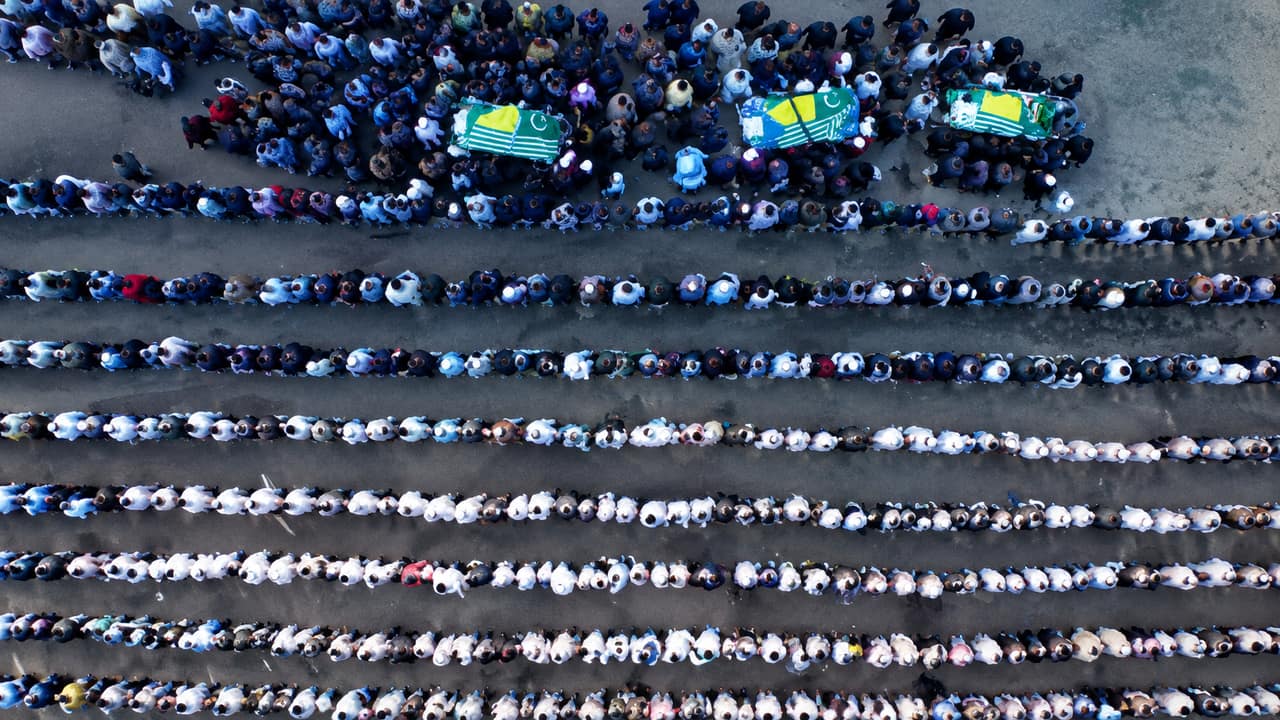
[Protesters chanting slogans] Over the past two months, the situation in Pakistan-administered Kashmir has deteriorated further. Clashes between security forces and the Joint Awami Action Committee have resulted in dozens of casualties. Basic services such as transport, food supplies, and internet access have been disrupted in various regions. While the Joint Awami Action Committee remains firm on its demands and continues its protests, the state maintains that these protesters are fighting for a foreign-funded agenda rather than their rights.
Regarding this, the DG ISPR recently stated in a press conference that in terms of providing basic rights, Pakistan-administered Kashmir is the state's most pampered child, and that the state has shown great generosity toward the protesters. "The state is like a parent, and its most cherished child is Kashmir." "So, they played a game centered around rights." "The state was aware of what lay behind them.
They believed they would expose themselves." According to BBC's own reporting, dissatisfaction among the population of Pakistan-administered Kashmir regarding the political and economic situation, particularly concerning the local government and politicians, has been on the rise. In light of all this, in today's program, we will seek answers to two fundamental questions. Why has the state so far failed to effectively address the local population's grievances regarding basic rights and political representation?
Origins of the unrest
And why did the military spokesperson refer to Pakistan-administered Kashmir as the state's "pampered child"? The roots of the rising unrest in Pakistan-administered Kashmir over the past few months are deep and long-standing. The Jammu and Kashmir Joint Awami Action Committee (JAAC) was formed in 2023 as a result of public discontent over the prices of flour and electricity. Intermittent negotiations took place between the government and the Awami Action Committee, and the government even announced acceptance of most demands.
However, according to the JAAC, no sustainable measures were taken by the government for systemic reform, leading to an expansion of their demands over time. Rejecting the current government and this contentious, undemocratic electoral process, the JAAC demands the establishment of a neutral caretaker government in Pakistan-administered Jammu and Kashmir. In view of the elections scheduled in Pakistan-administered Kashmir this year, the Joint Awami Action Committee presented its 38-point agenda, which included demands for improvements in health, education, and local government systems, among many others.
According to the government, they had already accepted most of these demands, but even before the JAAC's call for a long march from Bhimber to Muzaffarabad on June 9th, on June 5th, the government accused the Joint Awami Action Committee of being a "foreign-funded" terrorist organization and banned it. The JAAC denies these allegations. It maintains that for financial support, it relies solely on the diaspora community from Pakistan-administered Kashmir living abroad.
Contention over reserved seats
As we observed, following the government ban, the intensity of these protests increased further. Perhaps the biggest point of contention between the government and the protesters is the demand to abolish the 12 assembly seats reserved for Kashmiri refugees. According to the government, this concerns the representation of Kashmiris from across the Line of Control, and any change regarding this issue can only be made within the representative assembly of Pakistan-administered Kashmir.
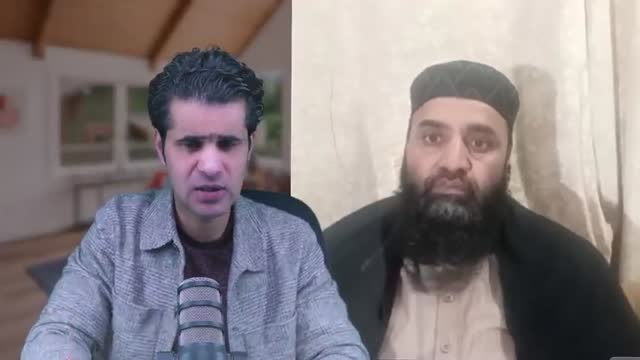
However, the Joint Action Committee views these 12 seats as a tool for election manipulation and legislative obstruction. So why has no solution been found despite periodic talks between the Awami Action Committee and the government over the past four years? And which side needs to show greater flexibility in dialogue? I asked this question to Ershad Mahmud, an expert and researcher on Kashmir affairs.
Expert views on deadlock
"The unrest has been ongoing for the past two months." "The Awami Action Committee there has taken several initiatives. Initially, it kept talking with the government," "and similar long marches and protests have taken place multiple times before." "However, over the past two months, the government has adopted a very strict and rigid stance," "which has resulted in a complete deadlock."
"Recently, the Action Committee even wrote letters to Field Marshal Asim Munir" "and has repeatedly spoken with the Government of Pakistan." "So some face-saving way out was needed, but unfortunately, the federal government is not ready to offer any face-saving option." The Pakistani military spokesperson called Kashmir "Pakistan's pampered child." Why do you think he said that, and is that really the case?
"Look, Kashmir has always held a central and pivotal position in Pakistan's policymaking, politics, foreign policy, and domestic policy." "It is in this context that he calls Azad Kashmir, or Kashmir, Pakistan's pampered child." "However, the reality is that over the last two months, this pampered child has been badly injured, and people there are protesting." "That protest is not limited to Rawalakot; rather, intense protests have taken place across all three of its major divisions."
History of twelve seats
"And a sit-in has been ongoing for over two months now, involving thousands of people," "and significantly, women and children are participating in it as well." Tell me, what is this issue regarding the 12 seats, and why has it become so prolonged? "Look, the 12 seats are not a recent issue; they have existed since 1974, when Azad Kashmir's current constitution was framed." "They are spread across Pakistan.
Nine seats are mostly in Punjab, two are in Sindh and Balochistan, and one in KPK." "These voters live in Pakistan and mostly originate from Indian-occupied Jammu and Kashmir; most came here in 1947." "So they were given representation in the Azad Kashmir Assembly to give it a status representing all of Jammu and Kashmir, including Indian-held Kashmir." "Unluckily, elections for these seats have always faced widespread allegations from political parties," "and neutral observers have also noted a lack of transparent voter lists, leading to widespread rigging."
Government response to unrest
Later in the program, we will also take a detailed look at the demographics, economic and political situation, and ground realities of Pakistan-administered Kashmir. But before that, to understand the government's stance on this situation, the BBC spoke with PML-N leader Rana Sanaullah. "Tell me, when they open fire on law enforcement agencies, how should law enforcement respond?"
"The way they are carrying weapons, the way they are firing, and the attire they are wearing," "these cannot be political workers." "Which demand did we not negotiate on? Which demand did we not sit down with them to address?" "Lastly, regarding the refugee seats, we were even ready to say: 'Brother, here is the assembly, here is its jurisdiction,'" "'sit down and work through it with them.'
Then we offered to call an All-Parties Conference. They said no." "Then we suggested sending a presidential reference to the Supreme Court for a decision. They said no."
"Then we suggested deferring it to August 9th, once the assembly is elected," "and we offered to give in writing that the assembly would sit with them so they could convince the assembly or let the assembly convince them." "They said no." "We suggested June 9th. On May 30th, during negotiations with me and leaders from other parties," "including representatives from the PPP, at the last moment I said to Omar Nazir Kashmiri," "I said, 'Kashmiri Sahib, move the date from the 9th to the 16th or 20th,'" "'let us speak with our leadership again and sit back down with you.'" "He replied, 'Even if you abolish these 12 seats right now, we will still come on June 9th.'" "'We must capture Muzaffarabad on June 9th at all costs.'" "'Even if you abolish the refugee seats, we are coming regardless.'
That was their attitude." "It makes no difference to us whether they want to increase or decrease them," "and even if they are to be abolished, doing so would mean withdrawing from the Jammu freedom movement." "Because if we remove the refugees, the Jammu freedom movement ceases to exist; it would remain limited only to this part of Azad Kashmir." As we mentioned earlier, the Joint Awami Action Committee's 38-point agenda includes demands for administrative and political changes at the local level, but before forming an opinion, it is essential to understand the ground dynamics driving these demands.
Constituencies and voter demographics
The Line of Control between Pakistan-administered and Indian-administered Kashmir acts as a de facto border between the two countries in this region. Examining the political system of Pakistan-administered Kashmir, its three divisions— Poonch, Mirpur, and Muzaffarabad—comprise 33 local electoral constituencies, along with 12 constituencies for Kashmiri refugees. According to the latest official figures, out of 3.8 million registered voters here, nearly 3.35 million reside in this region, while around 450,000 voters crossed the Line of Control from Indian-administered Kashmir and settled in various cities across Pakistan.
According to the Joint Awami Action Committee, due to this uneven distribution of seats, the local population is denied the opportunity to elect a government of their choice. On the other hand, regarding the DG ISPR's statement describing Pakistan-administered Kashmir as the "state's pampered child," proponents of this view typically point to cheaper electricity rates and subsidized flour prices there compared to the rest of Pakistan.
In addition, higher development funding relative to population size is often cited. But is the issue really that simple? Despite these apparent facilities, what are the reasons behind the growing frustration and disillusionment with the political system among the local population? "Look, firstly, an election environment was building up there."
"Unfortunately, an election climate existed before June, and whenever that happens, the Azad Kashmir government generally becomes inactive," "and officials like the Chief Secretary, Inspector General, and others effectively take over control." "Secondly, political leadership across all parties made the mistake of" "treating the Joint Awami Action Committee as a rival faction, feeling threatened by its demands and its" "widespread region-wide popularity among the public, particularly among youth and women."
"Instead of engaging the Joint Awami Action Committee, they dismissed its demands as impractical," "and not only stayed away from negotiations themselves, but unfortunately, many political leaders also incited the federal government to launch a crackdown," "which made the problem even more complex. I am not referring to all leaders, but a majority of them." "Consequently, a distorted impression of this entire movement was created in Islamabad."
Calls for political dialogue
Finally, tell me, how do you think a solution to this issue can be achieved? "Look, I honestly believe the government must take the initiative." "Governments possess the capacity to resolve such issues and have the ability to address" "any crisis politically through dialogue." "Azad Kashmir, especially the Poonch region, is highly sensitive with a massive diaspora numbering in the hundreds of thousands," "and they remain deeply connected with their people, which explains why we have seen" "widespread protests globally.
Thus, this issue can easily be resolved politically." "The government should take the lead. Resolving issues through force only works temporarily—people may return home," "but the resulting alienation and distance from Islamabad will take decades to mend." A large number of youth and women were also seen participating in the ongoing protests in Pakistan-administered Kashmir.
Disillusionment among educated youth
These are segments of society that now have global exposure thanks to the internet, but limited opportunities for growth. According to official statistics, unemployment rates among youth and women in this region are significantly higher than in the rest of Pakistan. Why are these young Kashmiris—or Gen Z Kashmiris—disillusioned with the Pakistani state? I asked this question to my BBC colleague Tabinda Kokab, who has been covering these protests.
"These are very basic issues, including education, healthcare, infrastructure," "rights, and concerns related to meritocracy and quotas." "However, young people and women are particularly frustrated because," "if you look at overall data across Pakistan, Pakistan-administered Kashmir has the highest literacy rate." "The overall literacy rate here is 77%, and among women, it is 68%."
"Up to 98% of young boys attend primary school, and girls attend at a rate of 90%." "In a region with such an educated youth population, employment is naturally scarce," "and there is a total lack of industry in Kashmir, offering no job opportunities." "Due to the lack of jobs and opportunities, a large population from Pakistan-administered Kashmir goes abroad" "for work, and this diaspora remits a significant amount of foreign exchange to Pakistan."
The state is like a parent, and its most cherished child is Kashmir.
"Their frustration stems from the fact that despite sending so much foreign exchange, their home regions see no development," "which is why they are aggrieved with the government." Are there any points in the demands or any aspects where public opinion differs from the demands or strategy of the Awami Action Committee? "Ali, if you read all 38 of their basic demands," "since they all pertain to human rights issues, nobody disagrees with them."
Disagreements over seat compromise
"However, when the issue surrounding the refugee seats escalated," "especially when the government made offers before declaring the ban—" "offering to reduce the seats to eight in some proposals, or six in others," "and at one point even offering to retain just four seats," "arguing that since Jammu and Kashmir refugees in Pakistan number around 425,000, a deal was suggested that" "there should be one representative per 100,000 people to maintain some representation—" "the Joint Action Committee remained firm, citing repeated mistrust and refusing to compromise" "on the 12 refugee seats.
Some people expressed reservations on this specific matter," "feeling that this offer should have been accepted and further details settled under the next government," "and that some level of compromise could have been made." Violent protests ongoing for two months, crackdowns on protesters by security agencies, strike calls, internet shutdowns, and severe disruptions to mobility— in all of this, ordinary people are suffering the most.
That is why the general public in Pakistan-administered Kashmir wants an immediate and lasting solution to this crisis. "Conditions are at their worst; Azad Kashmir has rarely seen such circumstances. News is coming from across Azad Kashmir" "that there is chaos and anxiety everywhere, people are protesting, roads and shops are closed," "and people are confined to their homes."
"We do not understand how demanding our rights constitutes terrorism." "All our young brothers have taken to the streets for their rights. Peaceful protest is every citizen's right, and likewise, it is our brothers' right." "If they stand up for their rights, we need education, healthcare, roads," "and hospitals; our brothers are suffering without support."
"So if we step out for our rights, it is the state's duty to grant them to us." "Because of the oppression faced by the Action Committee, there is widespread public sympathy for them." "They should sit down and resolve these demands through dialogue." "The best and most positive approach is to resolve these issues at the negotiating table."
State authority and protest
It is true that in a modern state system, the monopoly on the legitimate use of force— or in simple terms, the right to use force—belongs solely to the state. The state exercises this right to prevent violent elements from spreading anarchy in the country. However, citizens of such a state also retain the right to criticize the state in every manner. In such a state, raising one's voice for rights is neither viewed as terrorism nor as a violation of the law, because freedom of dissent and protest belongs to everyone.
Therefore, holding a monopoly on force does not mean the state should subject its own citizens to relentless violence, especially when it is failing to properly fulfill its governance responsibilities. There is growing dissatisfaction and anger among the people of Pakistan-administered Kashmir regarding their system of governance, healthcare and education infrastructure, and economic conditions.
Perhaps their anger goes beyond their explicit demands, but in such circumstances, a retaliatory government response and the use of force will only complicate the situation further.
[مظاہرین کی نعرے بازی] پچھلے دو مہینوں میں پاکستان کے زیرِ انتظام کشمیر میں صورتحال خراب سے خراب تر ہوئی ہے۔ سیکورٹی فورسز اور جوائنٹ عوامی ایکشن کمیٹی کے درمیان ہونے والی جھڑپوں میں درجنوں ہلاکتیں ہوئیں۔ مختلف علاقوں میں آمد و رفت، خوراک اور انٹرنیٹ جیسی بنیادی سہولیات متاثر ہیں۔ جہاں ایک طرف جوائنٹ عوامی ایکشن کمیٹی ابھی تک اپنے مطالبات پر قائم ہے اور اپنے مظاہرے جاری رکھے ہوئے ہیں، وہاں ریاست کا موقف ہے کہ یہ مظاہرین اپنے حقوق کے لیے نہیں بلکہ ایک فارن فنڈڈ ایجنڈے کی لڑائی لڑ رہے ہیں۔
فوجی ترجمان کا موقف
اس بارے میں گزشتہ دنوں ڈی جی آئی ایس پی آر نے اپنی پریس کانفرنس میں کہا کہ بنیادی حقوق کی فراہمی کے حوالے سے پاکستان کے زیرِ انتظام کشمیر، ریاست کا سب سے لاڈلا بچہ ہے۔ اور ریاست نے مظاہرین کے ساتھ بھی بہت فراخ دلی کا مظاہرہ کیا ہے۔ ریاست ماں اور باپ کی جگہ ہوتی ہے، اس کا لاڈلا ترین بچہ کشمیر ہے۔ تو حقوق کے اوپر انہوں نے گیم چلائی۔
ریاست کو اس کا بھی اندازہ تھا کہ ان کے پیچھے جونسا ہے ناں یہ چیز ہے۔ انہوں نے کہا یہ خود ایکسپوز ہوں گے اپنے آپ۔ بی بی سی کی اپنی رپورٹنگ کے مطابق پاکستان کے زیرِ انتظام کشمیر کی آبادی میں وہاں کی سیاسی اور معاشی صورتحال، خصوصاً مقامی حکومت اور سیاستدانوں کے بارے میں عدم اطمینان میں اضافہ ہوا ہے۔ ان سب کی روشنی میں آج کے پروگرام میں ہم دو بنیادی سوالوں کے جواب جاننے کی کوشش کریں گے۔
عوامی ایکشن کمیٹی کا قیام
مقامی آبادی کی اپنے بنیادی حقوق اور سیاسی نمائندگی کے حوالے سے شکایات کو ریاست اب تک موثر طریقے سے حل کرنے میں کیوں ناکام رہی ہے؟ اور فوج کے ترجمان نے پاکستان کے زیرِ انتظام کشمیر کو ریاست کا 'لاڈلا بچہ' کیوں کہا؟ پچھلے کچھ مہینوں میں پاکستان کے زیرِ انتظام کشمیر میں بڑھتی بدامنی کی جڑیں پرانی اور گہری ہیں۔ جموں و کشمیر جوائنٹ عوامی ایکشن کمیٹی یا JACC کا قیام 2023 میں آٹے اور بجلی کی قیمتوں کے حوالے سے عوامی عدم اطمینان کے نتیجے میں ہوا۔
پھر گاہے بگاہے حکومت اور عوامی ایکشن کمیٹی کے درمیان مذاکرات ہوتے رہے اور حکومت نے بیشتر مطالبات ماننے کا اعلان بھی کیا۔ لیکن JACC کے مطابق حکومت کی طرف سے نظام میں تبدیلی کے لیے کوئی دیرپا اقدامات نہیں کیے گئے۔ لہٰذا وقت کے ساتھ ساتھ ان کے مطالبات میں بھی اضافہ ہوتا رہا۔ جے اے اے سی موجودہ حکومت اور اس متنازعہ اور غیر جمہوری انتخابی عمل کو مسترد کرتے ہوئے مطالبہ کرتی ہے کہ پاکستان زیرِ انتظام جموں کشمیر میں ایک غیر جانبدار نگران حکومت قائم کی جائے۔
مطالبات اور تنظیم پر پابندی
اس سال پاکستان کے زیرِ انتظام کشمیر میں ہونے والے انتخابات کے پیشِ نظر جوائنٹ عوامی ایکشن کمیٹی نے اپنا 38 نکاتی ایجنڈا پیش کیا۔ جس میں صحت، تعلیم اور لوکل گورنمنٹ کے نظام میں بہتری سمیت اور بہت سے مطالبات بھی شامل تھے۔ حکومت کے مطابق انہوں نے ان میں سے اکثر مطالبات مان بھی لیے تھے، لیکن JACC کی جانب سے 9 جون کو بھمبر سے مظفرآباد کی جانب لانگ مارچ کی کال سے پہلے ہی، 5 جون کو حکومت نے جوائنٹ عوامی ایکشن کمیٹی پر 'فارن فنڈڈ' دہشت گرد تنظیم ہونے کا الزام لگایا اور اسے کالعدم قرار دے دیا۔
JACC ان الزامات کی تردید کرتی ہے۔ اس کا موقف ہے کہ مالی امداد کے لیے اس کا انحصار صرف بیرونی ممالک میں مقیم پاکستان کے زیرِ انتظام کشمیر سے تعلق رکھنے والی کمیونٹی پر ہے۔ جیسا کہ ہم نے دیکھا کہ حکومت کی طرف سے پابندی کے بعد ان مظاہروں کی شدت میں مزید اضافہ ہوا ہے۔ حکومت اور مظاہرین میں موجودہ اختلاف کی شاید سب سے بڑی وجہ مقامی اسمبلی میں کشمیری مہاجرین کے لیے مختص 12 سیٹوں کے خاتمے کا مطالبہ ہے۔
حکومت کے مطابق یہ لائن آف کنٹرول کے پار سے آنے والے کشمیریوں کی نمائندگی کا معاملہ ہے اور اس حوالے سے کسی بھی قسم کی تبدیلی صرف پاکستان کے زیرِ انتظام کشمیر کی نمائندہ اسمبلی میں ہی کی جا سکتی ہے۔ تاہم، جوائنٹ ایکشن کمیٹی کے نزدیک یہ 12 سیٹیں الیکشن مینیپولیشن اور قانون سازی میں رکاوٹ کا ایک ٹول ہیں۔ لیکن پچھلے چار سال سے عوامی ایکشن کمیٹی اور حکومت کے درمیان وقتاً فوقتاً مذاکرات کے باوجود اس مسئلے کا کوئی حل کیوں نہیں نکل پایا ہے؟
ماہر امور کشمیر کا تجزیہ
اور کس جانب سے بات چیت میں مزید لچک کی ضرورت ہے؟ میں نے یہ سوال کشمیری امور کے ماہر اور محقق ارشاد محمود سے پوچھا۔ انریسٹ تو گزشتہ دو ماہ سے جاری ہے۔ اور وہاں جو عوامی ایکشن کمیٹی ہے، اس نے کئی ایک انیشیٹو لیے ہیں۔
انیشیلی تو گورنمنٹ کے ساتھ وہ بات چیت کرتی رہی ہے، پہلے بھی کئی دفعہ اس طرح کے لانگ مارچ ہوئے، مظاہرے ہوئے۔ لیکن پچھلے دو ماہ سے گورنمنٹ نے بہت ہی سخت اور غیر لچکدارانہ رویہ رکھا ہے، جس کی وجہ سے ایک کمپلیٹ ڈیڈ لاک پیدا ہو گیا ہے۔ ابھی ایکشن کمیٹی نے فیلڈ مارشل عاصم منیر صاحب کو بھی لیٹر لکھے ہیں، گورنمنٹ آف پاکستان سے بھی بار بار بات کی ہے۔
تو کوئی اس کے لیے فیس سیونگ چاہیے تھی لیکن ان فارچونیٹلی فیڈرل گورنمنٹ جو ہے وہ کوئی فیس سیونگ دینے کے لیے تیار نہیں ہے۔ پاکستانی فوج کے ترجمان نے کشمیر کو 'پاکستان کا لاڈلا بچہ' کہا۔ آپ کے خیال میں انہوں نے ایسا کیوں کہا اور کیا واقعی ایسا ہے؟ دیکھیں، کشمیر کو پاکستان کی پالیسی سازی میں، سیاست میں، خارجہ پالیسی، داخلہ پالیسی میں ہمیشہ بہت مرکزی اور کلیدی مقام حاصل رہا۔
وہ اسی تناظر میں آزاد کشمیر کو یا کشمیر کو پاکستان کا بہت لاڈلا بچہ کہہ رہے ہیں۔ لیکن حقیقت یہ ہے کہ پچھلے دو ماہ میں یہ لاڈلا بچہ بری طرح زخمی ہے اور وہاں لوگ احتجاج کر رہے ہیں۔ وہ احتجاج صرف راولاکوٹ تک محدود نہیں ہے بلکہ اس کے جو تین بڑے ڈویژن ہیں، تینوں ڈویژنز میں بہت ہی بھرپور قسم کا احتجاج ہوا ہے۔ اور ایک ایسا دھرنا جاری ہے، دو ماہ سے زیادہ ہو گئے ہیں، جس میں ہزاروں لوگ شریک ہیں، اور اہم بات یہ ہے کہ اس میں عورتیں اور بچے بھی شریک ہیں۔
بارہ مہاجر نشستوں کا تنازع
اچھا مجھے یہ بتائیے کہ یہ جو 12 نشستوں کا معاملہ ہے، یہ کیا معاملہ ہے اور کیوں یہ اتنا طول پکڑ گیا ہے؟ دیکھیں، 12 نشستیں کوئی آج کا مسئلہ نہیں ہے، یہ تو 1974 سے جب سے آزاد کشمیر کا جو آج کا کانسٹیٹیوشن ہے بنا ہے، اس وقت سے موجود ہیں۔ یہ پورے پاکستان میں پھیلی ہوئی ہیں۔ نو نشستیں زیادہ تر پنجاب میں ہیں، دو نشستیں صوبہ سندھ اور بلوچستان میں ہیں اور ایک کے پی کے میں۔
یہ لوگ پاکستان میں رہتے ہیں اور ان کا زیادہ تر ان کا تعلق جو ہے مقبوضہ جموں کشمیر سے ہے، موسٹلی لوگ 47 میں یہاں آئے تھے۔ تو ان کو آزاد کشمیر کی اسمبلی میں نمائندگی اس لیے دی گئی ہے تاکہ آزاد کشمیر کی جو اسمبلی ہے اس کا ایک اس طرح کا اسٹیٹس رہے کہ جیسے یہ پورے جموں کشمیر کو، جو ایون انڈین ہیلڈ کشمیر ہے، اس کو بھی ریپریزنٹو کرتی ہے۔ لیکن ان فارچونیٹلی ان کے اوپر جو الیکشنز ہوتے ہیں ان میں بہت وسیع پیمانے پہ یہ الزام لگایا جاتا رہا ہے ہمیشہ سے، سیاسی جماعتوں کی طرف سے، اور غیر جانبدار مبصرین نے بھی دیکھا ہے کہ ان پہ شفاف ووٹر لسٹیں نہیں ہیں، عمومی دھاندلی ہو جاتی ہے۔
رانا ثناء اللہ کا موقف
ہم پروگرام میں آگے چل کر پاکستان کے زیرِ انتظام کشمیر کی ڈیموگرافی، وہاں کی معاشی اور سیاسی صورتحال، اور آن گراؤنڈ رئیلٹیز کا تفصیلی جائزہ بھی لیں گے۔ لیکن اس سے پہلے اس پوری صورتحال کے بارے میں حکومتی نقطہ نظر جاننے کے لیے بی بی سی نے مسلم لیگ ن کے رہنما رانا ثناء اللہ سے گفتگو کی۔ آپ مجھے بتائیں کہ لاء انفورسنگ ایجنسیز کے اوپر جب وہ فائر کریں گے تو لاء انفورسنگ ایجنسی کیسے رسپونڈ کرے گی؟
جس طرح سے وہ ہتھیار پکڑ کے چل رہے ہیں، جس طرح سے وہ فائر کر رہے ہیں، جس طرح کا وہ لباس پہنے ہوئے ہیں، یہ پولیٹیکل ورکر نہیں ہو سکتے۔ کونسا مطالبہ ہے جس کو ہم نے نیگوشیٹ نہیں کیا؟ کونسا مطالبہ ہے جس پہ ہم ان کے پاس نہیں بیٹھے؟ آخری بات اگر یہ مہاجر سیٹوں والی، وہ بھی ہم کہنے کو تیار ہیں کہ بھائی یہ ہے اسمبلی، یہ ہے اس کا اختیار، بیٹھو، بیٹھ کے اس سے کروا لو جو بھی کروانا ہے۔
پھر ہم نے ان کو یہ بھی کہا تھا کہ آل پارٹیز کانفرنس بلا لیتے ہیں۔ انہوں نے کہا کہ نو۔ پھر ہم نے کہا کہ چلو ایسا پریزیڈنشل ریفرنس سپریم کورٹ بھیجتے ہیں وہاں سے فیصلہ، انہوں نے کہا جی نو۔ پھر ہم نے کہا کہ ایسے کریں کہ آپ 9 تاریخ کو، 9 اگست کو لے جائیں، اسمبلی منتخب ہو جائے، ہم آپ کو لکھ کے دے دیتے ہیں کہ وہ اسمبلی جو ہے وہ آپ کے ساتھ بیٹھ کے اس کے اوپر جو ہے وہ آپ اسمبلی کو قائل کر لیں یا اسمبلی آپ کو قائل کر لے۔
انہوں نے کہا جی نو۔ ہم نے کہا چلیں 9 جون کو، یہ 30 مئی کو ان کے ساتھ میرے اور میرے ساتھ جو دوسرے تمام جماعتوں کے لوگ تھے، پیپلز پارٹی کے لوگ بھی تھے، مذاکرات ہو رہے تھے۔ میں نے آخری وقت جو ہے وہ عمر نذیر کشمیری صاحب کو کہا، میں نے کہا کشمیری صاحب ایسا کریں کہ یہ 9 کو جو ہے وہ آپ لے جائیں 16 پہ یا 20 پہ، ہم چلے ایک دفعہ دوبارہ اپنی لیڈرشپ سے بات کر کے ہم پھر دوبارہ آپ کے ساتھ بیٹھتے ہیں۔
اس نے کہا کہ جی آپ اب اگر یہ 12 سیٹیں ختم بھی کر دیں، پھر بھی ہم نے 9 جون کو آنا ہے۔ ہم نے 9 جون کو مظفرآباد کو کیپچر کرنا ہے ہر قیمت پہ۔ آپ بھلے مہاجرین کی سیٹیں ختم بھی کر دیں، ہم نے تو آنا ہی آنا ہے۔ تو یہ تو ان کا رویہ تھا۔
ہمیں کوئی اس سے سروکار نہیں ہے، ان کو بڑھانا چاہتے ہیں بڑھا دیں، ان کو گھٹانا چاہتے ہیں گھٹا دیں، اور اگر کوئی ختم کرنے کی صورت بھی ہے، لیکن ان کو ختم کرنا تحریکِ آزادیِ جموں تحریک جو ہے، اس سے ود ڈرا کرنا ہو گا۔ کیونکہ جو مہاجرین ہیں، اگر ان کو ہم مائنس کر دیتے ہیں تو پھر وہ تحریکِ آزادیِ جموں بھی نہیں رہتی، وہ تو پھر صرف آزاد کشمیر کا یہ حصہ رہ جاتا ہے۔
آبادیاتی اور انتخابی حقائق
جیسا کہ ہم نے پہلے ذکر کیا کہ جوائنٹ عوامی ایکشن کمیٹی کے 38 نکاتی ایجنڈے میں مقامی سطح پر سیاسی اور انتظامی امور میں تبدیلیوں کے مطالبات شامل ہیں، لیکن اس بارے میں رائے قائم کرنے سے پہلے ان ڈیمانڈز کے آن گراؤنڈ متحرکات کو سمجھنا بہت ضروری ہے۔ پاکستان اور انڈیا کے زیرِ انتظام کشمیر کے درمیان لائن آف کنٹرول اس خطے میں دونوں ملکوں کے درمیان ایک ڈی فیکٹو بارڈر کا کام دیتی ہے۔
پاکستان کے زیرِ انتظام کشمیر کے سیاسی نظام کا جائزہ لیں تو یہاں کی تین ڈویژنز، پونچھ، میرپور اور مظفرآباد میں 33 مقامی انتخابی حلقے اور 12 کشمیری مہاجر حلقے شامل ہیں۔ تازہ ترین سرکاری اعداد و شمار کے مطابق یہاں کے 38 لاکھ رجسٹرڈ ووٹرز میں سے تقریباً ساڑھے 33 لاکھ اسی خطے کے رہائشی ہیں، جبکہ تقریباً ساڑھے چار لاکھ وہ ووٹرز ہیں جو انڈیا کے زیرِ انتظام کشمیر سے لائن آف کنٹرول پار کر کے پورے پاکستان کے مختلف شہروں میں آ کر آباد ہوئے۔
جوائنٹ عوامی ایکشن کمیٹی کے مطابق سیٹوں کی اس غیر متوازی ڈسٹریبیوشن کے باعث مقامی آبادی کو اپنی مرضی کی حکومت منتخب کرنے کا موقع نہیں ملتا۔ دوسری طرف اگر بات کریں ڈی جی آئی ایس پی آر کے اس بیان کی جس میں انہوں نے پاکستان کے زیرِ انتظام کشمیر کو 'ریاست کا لاڈلا بچہ' کہا، تو اس نظریے کے حامی حلقوں میں اس کی سپورٹ کے لیے عام طور پر وہاں پاکستان کے مقابلے میں بجلی کے سستے یونٹس اور آٹے کے سبسڈائزڈ ریٹس کا حوالہ دیا جاتا ہے۔
اس کے علاوہ آبادی کے تناسب سے زیادہ ترقیاتی فنڈز کا تذکرہ بھی کیا جاتا ہے۔ لیکن کیا معاملہ اتنا ہی سادہ ہے؟ بظاہر اتنی سہولیات کے باوجود مقامی آبادی میں سیاسی نظام کے حوالے سے بڑھتی خفگی اور مایوسی کی کیا وجوہات ہیں؟ دیکھیں ایک تو الیکشن کا وہاں ماحول تھا، ان فارچونیٹلی جون سے پہلے ہی الیکشن کا ماحول تھا، اور جب الیکشن کا ماحول آ جاتا ہے تو آزاد کشمیر کی جو حکومت ہوتی ہے وہ عمومی طور پہ غیر فعال ہو جاتی ہے، اور وہاں کے چیف سیکرٹری، آئی جی اور جو بھی دوسرے حکام ہیں، وہ ایک طرح سے اختیارات وہ سنبھال لیتے ہیں۔
سیکنڈلی یہ ہے کہ سیاسی منظر... لیڈرشپ نے یہ غلطی کی ہے، ساری ہی پولیٹیکل پارٹیز نے کہ انہوں نے جوائنٹ عوامی ایکشن کمیٹی کو اپنا ایک مخالف دھڑے کے طور پہ ٹریٹ کرنا شروع کر دیا، اس کے مطالبات کو، اس کی جو ایک آزاد کشمیر گیر جو ہے اس کی ایک وسیع جو مقبولیت تھی عوام میں اور خاص طور پہ نوجوانوں میں، عورتوں میں، اس کی وجہ سے وہ خائف ہو گئے۔ اور انہوں نے جوائنٹ عوامی ایکشن کمیٹی کو انگیج کرنے کے بجائے اس کے...
اس کے مطالبات کو ناقابلِ عمل قرار دیا، اور اس کے ساتھ مذاکرات کا جو عمل تھا نہ صرف اس کے ساتھ وہ خود شامل نہیں ہوئے، بلکہ بہت ساری پولیٹیکل پارٹیز اور لیڈرز نے ان فارچونیٹلی فیڈرل گورنمنٹ کو بھڑکایا بھی ہے کہ ان کے خلاف کریک ڈاؤن کیا جائے، جس کی وجہ سے یہ مسئلہ اور زیادہ پیچیدہ ہو گیا۔ میں تمام، ساری لیڈرشپ کی بات نہیں کر رہا، لیکن زیادہ تر لوگ۔
مسئلے کا سیاسی حل
تو اس کی وجہ سے بھی یہ جو ہے ایک طرح سے اسلام آباد میں اس پوری موومنٹ کے بارے میں تاثر غلط پیدا ہوا۔ اچھا مجھے آخر میں آپ یہ بتائیے کہ آپ کے خیال میں اس مسئلے کا حل کس طریقے سے نکلے گا؟ دیکھیں میں... میں سمجھتا ہوں بہت ہی ایمانداری کے ساتھ کہ انیشیٹو حکومت کو لینا ہو گا۔
حکومتیں ہی اس طرح کے مسائل کو حل کرنے کی استعداد بھی رکھتی ہیں اور ان کے پاس یہ صلاحیت ہوتی ہے کہ وہ اس طرح کے کسی بھی بحران کو سیاسی طریقے سے، مذاکرات کے ذریعے حل کر سکیں۔ اور آزاد کشمیر جو، خاص طور پہ یہ پونچھ کا علاقہ بہت حساس علاقہ ہے، اس کا ڈائس پورا بھی ہے اور ڈائس پورا کوئی چھوٹا موٹا ڈائس پورا نہیں ہے، لاکھوں لوگ ہیں، اور وہ سارے لوگ اپنے لوگوں کے ساتھ بہت کنیکٹڈ ہیں اور ہم نے اس کی وجہ سے دیکھا ہے کہ بہت وسیع پیمانے پر دنیا بھر میں مظاہرے بھی ہوئے ہیں۔
تو اس مسئلے کو سیاسی طور پہ حل کیا جا سکتا ہے، بہت آسانی کے ساتھ حل کیا جا سکتا ہے۔ حکومت کو انیشیٹو لینا چاہیے، دیکھیں طاقت کے استعمال سے وقتی طور پہ تو آپ مسائل کو حل کر لیتے ہیں، لوگ گھروں کو چلے جائیں گے، لیکن جو ایلینیشن پیدا ہو گی، جو اسلام آباد سے دوری پیدا ہو گی، اس کو اگلے کئی دہائیوں تک بھی سمیٹا نہ جا سکے گا۔ پاکستان کے زیرِ انتظام کشمیر میں جاری مظاہروں میں نوجوانوں اور خواتین کی بھی ایک بڑی تعداد نظر آئی۔
نوجوانوں اور خواتین کے مسائل
یہ اس معاشرے کے وہ طبقات ہیں جن کے پاس اب انٹرنیٹ کی بدولت دنیا کا ایکسپوژر تو ہے، لیکن ترقی کے مواقع محدود ہیں۔ خود حکومتی اعداد و شمار کے مطابق اس علاقے کے نوجوانوں اور خواتین میں باقی پاکستان کے مقابلے میں بے روزگاری کی شرح کہیں زیادہ ہے۔ کشمیر کے یہ نوجوان یا یوں کہیے کہ کشمیر کی جن زی، پاکستانی ریاست سے کیوں نالاں ہیں؟ یہی سوال میں نے اپنی بی بی سی کی ساتھی تابندہ کوکب سے کیا جو ان مظاہروں کو کور کر رہی ہیں۔
بہت ہی بیسک سے مسائل ہیں جن میں تعلیم ہے، جن میں صحت ہے، جن میں سڑکیں ہیں اور حقوق ہیں، اور کچھ میرٹ اور کوٹہ سے متعلق مسائل ہیں۔ لیکن ایشو یہ ہے کہ نوجوان اس لیے بھی فرسٹریٹڈ ہیں، خواتین اس لیے بھی فرسٹریٹڈ ہیں، کیونکہ اگر آپ پاکستان کا اوورال ڈیٹا اٹھا کے دیکھیں تو پاکستان کے زیرِ انتظام کشمیر میں لٹریسی ریٹ سب سے زیادہ ہے۔ یہاں پر اوورال لٹریسی ریٹ جو ہے وہ 77 پرسنٹ ہے اور خواتین میں 68 پرسنٹ ہے۔
پرائمری اسکول جانے والے بچے جو ہیں وہ 98 پرسنٹ تک بچے جو ہیں وہ اسکول جاتے ہیں اور بچیاں بھی 90 پرسنٹ کی ریشو ہے۔ جہاں اتنے زیادہ تعلیم یافتہ نوجوان ہوں گے وہاں ظاہری بات ہے پھر ملازمتیں مَیسر نہیں ہیں اور یہاں انڈسٹریز نہیں ہیں کشمیر کے اندر بالکل بھی، کہ جابز کا کوئی آپرچونٹیز نہیں ہیں۔ کیونکہ جابز نہیں ہیں، آپرچونٹیز نہیں ہیں تو پاکستان کے زیرِ انتظام کشمیر سے ایک بڑی تعداد جو ہے وہ ملک سے باہر جا کر نوکریاں حاصل کرتی ہے اور تارکینِ وطن جو ہیں ایک بہت بڑی اماؤنٹ میں زرِ مبادلہ پاکستان بھیجتے ہیں۔
اب ان کی فرسٹریشن ہے کہ جب ہم اتنا زرِ مبادلہ بھی بھیج رہے ہیں، اس کے باوجود ہمارے آبائی علاقوں میں ڈیولپمنٹ نہیں ہوتی، اس لیے وہ حکومت سے ناراض ہیں۔ کیا کوئی ایسے پوائنٹس بھی ہیں مطالبات میں یا کوئی ایسا، ایسی چیزیں بھی ہیں جس پہ عوام کی رائے جو ہے وہ عوامی ایکشن کمیٹی کے مطالبات یا ان کے جو ہے جو بھی ان کی اسٹریٹجی ہے رہی ہے اس سے مختلف ہے؟
اگر آپ علی ان کے جو مطالبات ہیں، 38 مطالبات بیسک، اگر وہ آپ سارے پڑھتے ہیں، تو ان میں سے چونکہ سارے ہیومن رائٹس کے مسائل ہیں، تو اس میں ڈس ایگریمنٹ تو کسی کا نہیں ہے۔ ہاں جب یہ مہاجر نشستوں والے معاملے پر ایشو بہت زیادہ ریز ہو گیا، خاص طور پہ جب یہ کالعدم قرار دینے سے پہلے حکومت نے افر بھی دی، کچھ افرز میں آٹھ نشستوں تک لانے کی بات ہوئی، کچھ میں چھ تک لانے کی بات ہوئی، اور ایک معاملے میں تو یہ بھی سننے میں آیا کہ انہوں نے کہا کہ چلیں ہم صرف چار نشستیں رکھ لیتے ہیں، چونکہ پاکستان کے علاقوں میں جو جموں و کشمیر کے مہاجرین ہیں ان کی تعداد تقریباً سوا چار لاکھ کے قریب ہے، تو یہ ڈیل دی گئی کہ ہر ایک لاکھ کے اوپر ایک نمائندہ رکھ لیں تاکہ کچھ نہ کچھ ریپریزنٹیٹو ان کی ہو، تو اس پر بھی موقف ڈٹا رہا جوائنٹ ایکشن کمیٹی کا بیکوز ان کا یہ تھا کہ بار بار مس ٹرسٹ ہو رہا ہے، اب ہم ٹرسٹ نہیں کریں گے، اور 12 مہاجر نشستوں پر کوئی کمپروامائز نہیں ہو گا۔
عام شہریوں کی مشکلات
تو کچھ لوگوں میں اس معاملے میں تھوڑا سا تحفظات شو کیا گیا، لوگوں کا کہنا یہ تھا کہ یہاں تک بات مان لینی چاہیے تھی، شاید اگلی گورنمنٹ میں یہ باتیں، چیزیں طے ہو سکتی تھیں، کسی حد تک کمپروامائز کیا جا سکتا تھا۔ دو ماہ سے جاری پرتشدد مظاہرے، مظاہرین پر سیکورٹی ایجنسیوں کا کریک ڈاؤن، ہڑتالوں کی کال، انٹرنیٹ شٹ ڈاؤن، اور آمد و رفت کا بری طرح سے متاثر ہونا، اس میں سب سے زیادہ نقصان عام لوگوں کا ہی ہو رہا ہے۔
اس لیے پاکستان کے زیرِ انتظام کشمیر میں عام لوگ ہی اس مسئلے کا فوری اور دیرپا حل چاہتے ہیں۔ بدترین حالات ہیں، شاید ہی کبھی آزاد کشمیر میں ایسے حالات ہوئے ہوں، پورے آزاد کشمیر سے خبریں آ رہی ہیں، کہ ہر طرف افرا تفری اور اضطراب ہے اور لوگ سراپا احتجاج ہیں، سڑکیں بند ہیں، دوکانات بند ہیں، اور لوگ گھروں میں محصور ہیں۔ ہمیں یہ سمجھ نہیں آ رہی کہ اپنا حق مانگنا کونسی دہشت گردی ہے؟
جتنے بھی جوان، بھائی ہیں، وہ اپنے حق کے لیے نکلے ہیں۔ پرامن احتجاج ہر شہری کا حق ہے، اسی طریقے سے ہمارے بھائیوں کا بھی حق ہے کہ اگر وہ اپنے حق کے لیے نکلتے ہیں، ہمیں تعلیم چاہیے، ہمیں طبی سہولتیں چاہئیں، ہمارے روڈ نہیں ہیں، ہمارے ہسپتال نہیں ہیں، ہمارے بھائی ادھر ادھر رل رہے ہیں، تو اگر ہم حق کے لیے باہر نکلتے ہیں تو ان کا حق بنتا ہے ہمیں حق دینا۔
ایکشن کمیٹی پہ جو ظلم اور ستم ہوئے ہیں، اس وجہ سے لوگوں کے اندر ایک ہمدردی پائی جاتی ہے۔ یہ بیٹھے ہیں، جو مطالبات ہیں، جو ہیں، اس کو مذاکرات کے ذریعے حل کریں۔ سب سے بہترین اور مثبت رائے یہ ہے کہ ان کو ٹیبل پہ بیٹھ کے حل کیا جائے۔ یہ بات ٹھیک ہے کہ جدید دور کے ریاستی نظام میں مونوپلی آف وائلنس، یا آسان الفاظ میں طاقت کے استعمال کا حق صرف ریاست کے پاس ہی ہوتا ہے۔
ریاست اس حق کا استعمال پرتشدد عناصر کو ملک میں انارکی پھیلانے سے روکنے کے لیے کرتی ہے۔ لیکن ایسی ریاست کے شہریوں کو بھی ریاست پر ہر قسم کی تنقید کا حق حاصل ہوتا ہے۔ ایسی ریاست میں اپنے حقوق کے لیے آواز اٹھانا نہ تو دہشت گردی سمجھا جاتا ہے اور نہ ہی کسی قانون کی خلاف ورزی، کیونکہ اختلاف اور احتجاج کی آزادی سبھی کو ہوتی ہے۔ اس لیے مونوپلی آف وائلنس رکھنے کا مطلب یہ نہیں کہ ریاست اپنے ہی شہریوں کو بے دريغ تشدد کا نشانہ بنائے، خاص طور پر جب وہ اپنی گڈ گورننس کی ذمہ داریوں کو صحیح سے نبھا نہ پا رہی ہو۔
پاکستان کے زیرِ انتظام کشمیر کے عوام میں اپنے حکومتی نظام، صحت اور تعلیم کے انفراسٹرکچر اور معاشی حالات کو لے کر عدم اطمینان اور غصہ ہے۔ شاید ان کا غصہ ان کے مطالبات سے کچھ زیادہ ہو، لیکن ایسے میں حکومت کا جوابی غصہ اور طاقت کا استعمال اس صورتحال کو مزید پیچیدہ ہی بنا سکتا ہے۔
Comments (0)